Trump's Tariff Threat and 'Governor' Carney Reference Draws Scrutiny
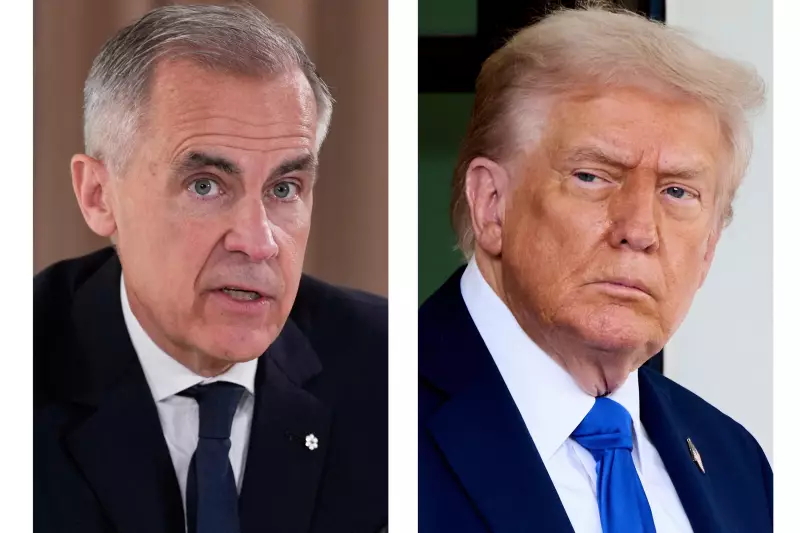
In a series of live updates that captured national attention, former U.S. President Donald Trump made headlines by threatening to impose 100% tariffs and referring to Canadian Prime Minister Mark Carney as 'governor.' The remarks, delivered on January 24, 2026, have ignited a firestorm of political commentary and raised questions about the future of cross-border trade relations.
Political Analyst Weighs In on Trump's Comments
Political commentator Scott Reid provided immediate analysis, highlighting the significance of Trump's choice of words. Reid noted that the 'governor' reference, while perhaps a casual slip, could be interpreted as a dismissive or unfamiliar stance toward Canada's leadership. This comes amid broader discussions about Trump's potential return to the political arena and its implications for international diplomacy.
The threat of 100% tariffs, if implemented, would represent a drastic escalation in trade policy, potentially impacting a wide range of industries and consumers on both sides of the border. Such measures could lead to increased costs for goods, supply chain disruptions, and retaliatory actions from Canada, further straining the economic relationship between the two nations.

Broader Context and Implications
These developments occur against a backdrop of other significant events, including a cabinet retreat and the abrupt cancellation of Prime Minister Carney's press conference. The convergence of these factors suggests a period of heightened political sensitivity and uncertainty.
Experts warn that Trump's rhetoric, if translated into policy, could undermine years of trade agreements and cooperative efforts. The reference to Carney as 'governor' also touches on perceptions of sovereignty and respect in international dealings, themes that resonate deeply in Canadian political discourse.
As the situation evolves, stakeholders from business leaders to policymakers are closely monitoring the potential fallout. The emphasis on tariffs and diplomatic tone underscores the fragile nature of current trade dynamics and the need for vigilant, informed public discourse.