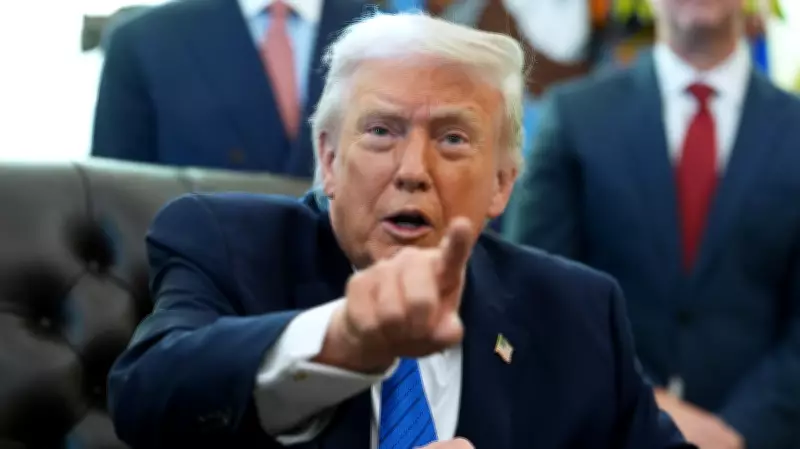
Trump Directs Homeland Security to Steer Clear of City Protests Without Explicit Request
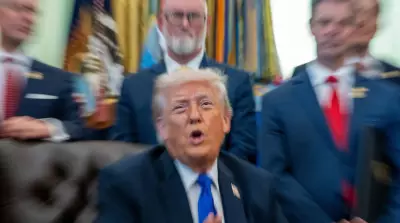
In a significant policy announcement, U.S. President Donald Trump stated on Saturday that he has instructed the Department of Homeland Security to refrain from involvement in protests occurring in cities led by Democratic administrations. This directive applies unless those cities specifically ask for federal assistance or if federal property faces imminent threats.
Social Media Declaration Outlines Federal Role
Trump articulated this position through a post on his Truth Social platform, emphasizing that cities bear the responsibility for safeguarding their own state and local properties. He clarified that Immigration and Customs Enforcement (ICE) and Border Patrol personnel will continue their primary duty of protecting federal buildings, but their role will not extend to general protest management without clear justification.
Context of Recent Clashes in Minneapolis
This announcement follows a day of widespread demonstrations, where thousands of protesters flooded the streets of Minneapolis and other locations across the United States. The protests were fueled by demands for the withdrawal of federal immigration agencies from Minnesota, a response to the tragic fatal shootings of two U.S. citizens. The Trump administration had previously deployed approximately 3,000 federal officers to the Minneapolis region as part of a broader initiative to crack down on illegal immigration, leading to confrontations between officials and activists.

Pattern of Federal Intervention in Democratic Cities
This incident represents the latest in a series of actions where Trump has demonstrated a readiness to utilize federal personnel in urban areas predominantly governed by Democrats. Past deployments have included sending federal law enforcement officers or National Guard members to cities such as Los Angeles, Chicago, Washington, D.C., and Portland, Oregon. The administration justifies these measures as essential for enforcing immigration laws and combating crime, though local leaders in many of these cities have contested this rationale, arguing that such interventions exacerbate tensions rather than enhance security.
The ongoing debate highlights the complex interplay between federal authority and local governance, particularly in matters of public safety and civil unrest. As protests continue to unfold, the implications of this directive may shape future responses to urban demonstrations and the balance of power between different levels of government.