Trump Files Massive $10 Billion Lawsuit Against Federal Agencies Over Tax Information Leak
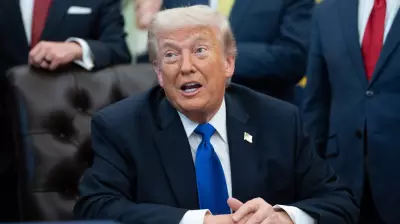
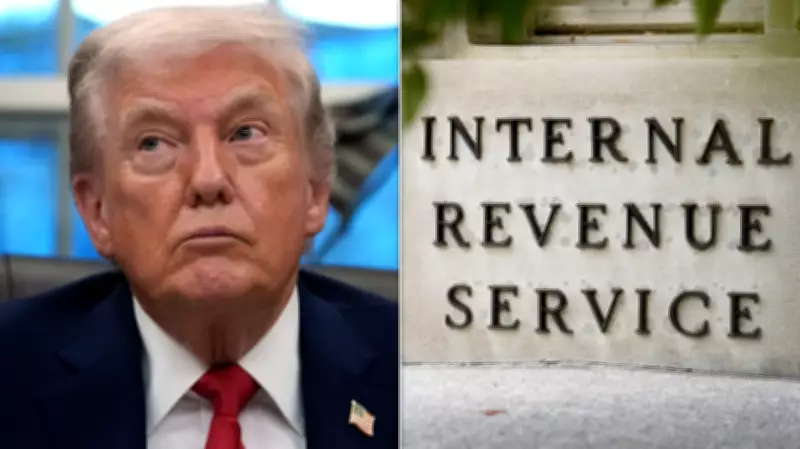
Former President Donald Trump has initiated a substantial legal action against the Internal Revenue Service and the Treasury Department, seeking $10 billion in damages. The lawsuit, filed in a Florida federal court, accuses these federal agencies of failing to prevent the unauthorized disclosure of Trump's confidential tax records to news organizations during the period from 2018 to 2020.
Plaintiffs and Allegations in the Legal Filing
The legal complaint names several plaintiffs alongside Donald Trump, including his sons Eric Trump and Donald Trump Jr., as well as the Trump Organization. The document asserts that the leak of sensitive tax information resulted in significant reputational and financial harm to all parties involved. Specifically, the filing claims the disclosures caused public embarrassment, unfairly damaged their business reputations, portrayed them in a false light, and negatively impacted President Trump's public standing.
The lawsuit further contends that these events adversely affected Trump's support among voters during the 2020 presidential election. This legal action represents one of the most substantial financial claims ever brought against federal agencies in relation to data privacy breaches.

Background of the Tax Information Leak Case
The controversy stems from actions by former IRS contractor Charles Edward Littlejohn, who was employed by defense and national security technology firm Booz Allen Hamilton. Operating from Washington, D.C., Littlejohn—known as Chaz—pleaded guilty to leaking tax information about Trump and other wealthy individuals to news outlets. In 2024, he received a five-year prison sentence for his actions.
Prosecutors described these leaks as "unparalleled in the IRS's history," highlighting the unprecedented nature of the security breach. The disclosures violated IRS Code 6103, which represents one of the strictest confidentiality laws within federal statute.
Media Reports and Subsequent Developments
Following the leaks, The New York Times reported in 2020 that Trump had not paid federal income tax for many years prior to that date. ProPublica published a series in 2021 examining discrepancies in Trump's financial records. Subsequently, six years of Trump's tax returns were released by the House Ways and Means Committee when it was under Democratic control.
The lawsuit notes that Littlejohn also stole tax records of other ultra-wealthy individuals, including Jeff Bezos and Elon Musk, indicating a broader pattern of targeting the nation's wealthiest taxpayers.
Government Response and Contract Termination
Trump's legal action follows recent developments at the Treasury Department, which announced earlier this week that it has terminated its contracts with Booz Allen Hamilton. This decision came after Littlejohn's conviction for leaking confidential taxpayer information about thousands of the country's wealthiest individuals, including the former president.
Treasury Secretary Scott Bessent stated at the time of the announcement that the firm "failed to implement adequate safeguards to protect sensitive data, including the confidential taxpayer information it had access to through its contracts with the Internal Revenue Service." This contract termination represents a significant consequence for the security failure that enabled the data breach.
Representatives from the White House, Treasury Department, and IRS were not immediately available for comment regarding the newly filed lawsuit. The case raises important questions about data security protocols within federal agencies and the protection of sensitive taxpayer information.