Trump Condemns Iran's Handling of Strait of Hormuz Navigation
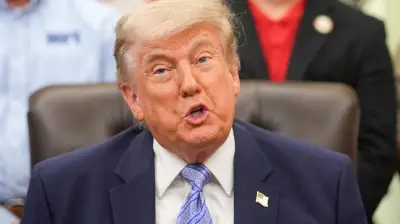
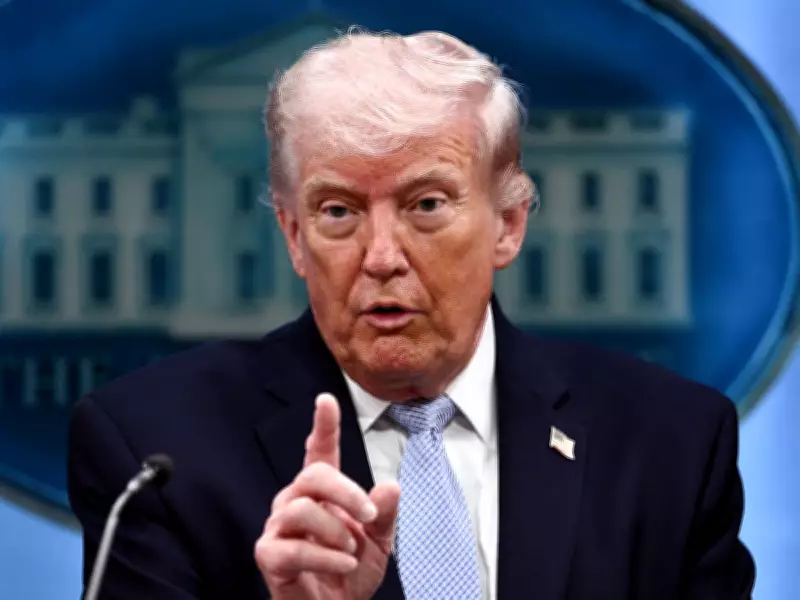
U.S. President Donald Trump issued a sharp rebuke on Thursday, criticizing Iran for what he described as a "very poor job" in permitting freedom of navigation through the strategically vital Strait of Hormuz. This accusation comes as a direct challenge to one of the fundamental conditions of the two-week ceasefire that halted 40 days of intense conflict in the Middle East between the United States and Iran.
Social Media Outburst and Allegations
In a series of posts on his Truth Social platform, President Trump expressed his frustration with Tehran's compliance. "Iran is doing a very poor job, dishonorable some would say, of allowing Oil to go through the Strait of Hormuz. That is not the agreement we have!" Trump declared. He further alleged that Iran might be imposing unauthorized fees on tankers attempting to transit the strait, warning, "They better not be and, if they are, they better stop now!"
The White House officially echoed these sentiments, sharing Trump's post on the social media platform X, formerly known as Twitter, amplifying the message to a global audience.

Military Posturing and Ceasefire Details
Trump emphasized that American military assets, including ships and aircraft, would remain deployed "in, and around, Iran" until what he termed a "real agreement" is fully implemented. He issued a stark warning, stating that U.S. forces are currently "loading up and resting," and that any failure to comply with the deal would trigger a response "bigger, better and stronger than anyone has ever seen before."
The ceasefire agreement, announced by Trump on Tuesday evening, was described as a "double-sided ceasefire" negotiated following discussions with Pakistani leadership. It reportedly includes provisions to prohibit Iranian nuclear weapons and to ensure the Strait of Hormuz remains "open and safe." This deal came after Trump had set a dramatic deadline, threatening that if Iran did not reopen the strait by 8 p.m. ET on Tuesday, "a whole civilization will die tonight, never to be brought back again."
Israeli Perspectives on the Conflict
Israeli officials provided insights into the broader context of the conflict. Likud lawmaker Tally Gotliv revealed to the Jewish News Syndicate that Israel had achieved "unimaginable" results, striking approximately 20,000 targets and demonstrating "extraordinary intelligence superiority" that led to the elimination of Iran's entire leadership. "All of this occurred in coordination with the United States," Gotliv noted, highlighting the coalition's strength in deterring other nations like Russia and China from intervening.
Fellow Likud member Dan Illouz expressed skepticism about the ceasefire's longevity, describing it as "essentially a final ultimatum" rather than a concession. He argued that negotiating with a regime rooted in "terror, fanaticism and hatred" is futile, advocating instead for regime change as the only viable long-term solution. "Until that regime falls and the Iranian people are finally free, any ceasefire is just a tactical pause, not a true end to the conflict," Illouz asserted.
Moshe Solomon of the Religious Zionism Party cautioned against premature declarations of victory, stating that while significant blows had been dealt to Iran's military capabilities, objectives regarding ballistic missiles, drones, and the nuclear program remained incomplete. "The fact that they are asking for a ceasefire is a victory in itself," Solomon acknowledged, but insisted that terms must prioritize the removal of uranium and elimination of the nuclear threat, whether through agreement or force.

Strategic Implications and Ongoing Tensions
The Strait of Hormuz serves as a critical chokepoint for global oil shipments, making freedom of navigation a paramount concern for international energy markets and geopolitical stability. Trump's public condemnation underscores the fragile nature of the ceasefire and the high stakes involved in ensuring compliance. With U.S. military forces poised for potential action and Israeli officials emphasizing the need for continued pressure, the situation remains volatile, highlighting the complex interplay of diplomacy, military strategy, and regional power dynamics in the Middle East.