Trump Unleashes Fury on Former Allies Over Iran War Stance
Former U.S. President Donald Trump unleashed a blistering social media assault on Thursday against several high-profile conservative commentators who have publicly criticized his military actions against Iran, branding his onetime supporters as attention-seeking "NUT JOBS" and "stupid people."
Scathing Social Media Tirade Targets Prominent Voices
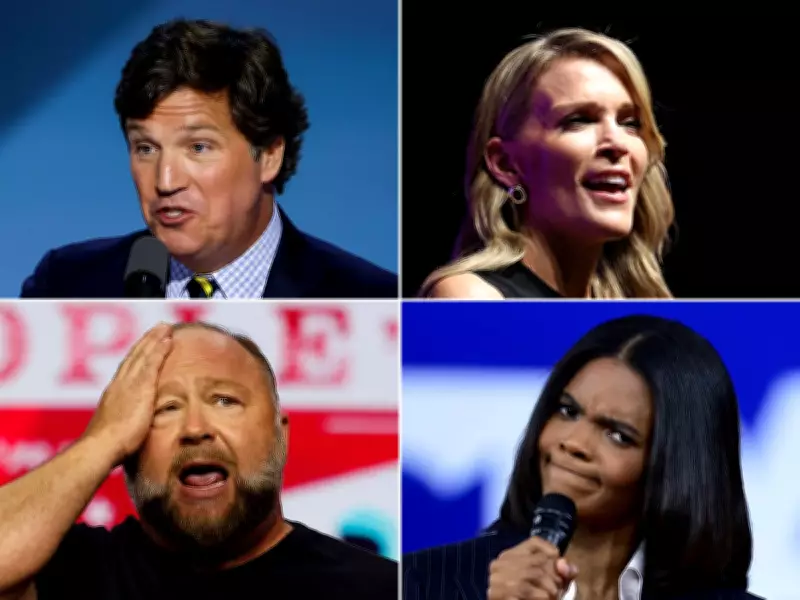
In a nearly 500-word social media post that has reverberated through political circles, Trump singled out four influential right-wing figures: former Fox News hosts Tucker Carlson and Megyn Kelly, along with podcasters Candace Owens and Alex Jones. "They're stupid people, they know it, their families know it, and everyone else knows it, too!" Trump wrote in his characteristically combative style.
The president's extraordinary broadside comes as all four commentators have vocally opposed Trump's military engagement with Iran, accusing him of abandoning his anti-war campaign promises and, to varying degrees, suggesting he bowed to pressure from Israel to initiate the conflict. Their criticism has exposed significant fractures within the American conservative movement at a politically sensitive moment.

Deepening Conservative Divide Ahead of Midterms
This public rift represents a potentially significant political liability for Trump's Republican Party as it approaches the crucial November midterm elections. The war in Iran has become a flashpoint issue that divides traditional conservative isolationists from more interventionist factions within the party.
"They don't have what it takes, and they never did!" Trump continued in his social media diatribe. "They've all been thrown off Television, lost their Shows, and aren't even invited on TV because nobody cares about them, they're NUT JOBS, TROUBLEMAKERS, and will say anything necessary for some 'free' and cheap publicity."
Personal Attacks and Historical Grievances Resurface
Trump's lengthy post revisited several past conflicts with the targeted commentators, particularly highlighting his longstanding feud with Megyn Kelly. He referenced their notorious 2015 debate exchange during his first presidential campaign when Kelly, then a Fox News anchor, questioned him about disparaging remarks he had made about women.
Trump retorted at the time with a joke about comedian Rosie O'Donnell and later sparked controversy by suggesting Kelly had asked the tough question because she was menstruating. "You can see there was blood coming out of her eyes, blood coming out of her wherever," Trump had remarked during that earlier confrontation.
On Thursday, Trump revisited that history, stating that Kelly "nastily asked me the now famous" question, demonstrating how past grievances continue to shape current political dynamics.
Individual Criticisms and Personal Insults
The former president leveled specific criticisms against each of the four commentators in his social media outburst. He mocked Tucker Carlson for not obtaining a college degree, expressed hope that French First Lady Brigitte Macron would win her defamation lawsuit against Candace Owens, and suggested Alex Jones deserved his financial troubles after calling a mass school shooting a hoax.
Owens has previously made controversial claims about France's first lady, alleging she is actually a man. Trump addressed this directly in his post, writing: "Actually, to me, the First Lady of France is a far more beautiful woman than Candace, in fact, it's not even close!"
Despite all four having previously supported Trump's "Make America Great Again" movement, the president concluded his tirade by declaring: "These so-called 'pundits' are LOSERS, and they always will be!"
Broader Implications for Conservative Media Landscape
This public confrontation highlights the evolving power dynamics within conservative media and politics. All four targeted commentators have transitioned from traditional television roles to independent podcasting platforms, where they've built substantial followings while sometimes diverging from Trump's positions.

The intensity of Trump's response suggests he views their criticism as particularly damaging, potentially undermining his political influence and policy legacy. As the midterm elections approach, this internal conservative conflict over foreign policy and political loyalty may have significant consequences for Republican unity and electoral prospects.
The social media post represents one of Trump's most comprehensive attacks on former allies within the conservative media ecosystem, signaling his willingness to publicly confront even popular right-wing voices who challenge his positions on key issues like the Iran conflict.