Trump Administration Eyes Billions in Military Funding for Iran War
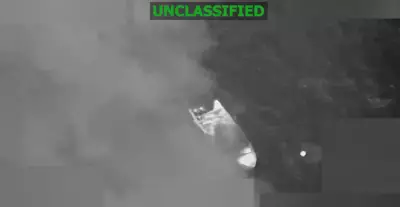
The Trump administration is reportedly preparing to ask Congress for billions of dollars in additional military funding to support its ongoing and open-ended bombing campaign in Iran. This potential request has ignited significant skepticism among Senate Democrats, including those with strong national security backgrounds, who are questioning the legality and necessity of the conflict.
Democratic Opposition to Funding an "Illegal" War
Most Democrats are firmly rejecting the idea of approving more funds, arguing that President Donald Trump launched the war without seeking congressional authorization. Senator Chris Murphy (D-Conn.) emphasized this point, stating, "Our answer should just be simply, 'No, you’re not getting money to fund an illegal, unpopular, potentially world-altering war.'" He highlighted domestic priorities, such as homelessness and healthcare, as more urgent investments.
Senator Bernie Sanders (I-Vt.), who caucuses with Democrats, echoed this sentiment, adding, "We got people sleeping on the street. People can’t afford health care, people can’t afford groceries, people can’t afford child care, education. Invest in the American people, not in an endless war."

Bipartisan Concerns Over Costs and Military Readiness
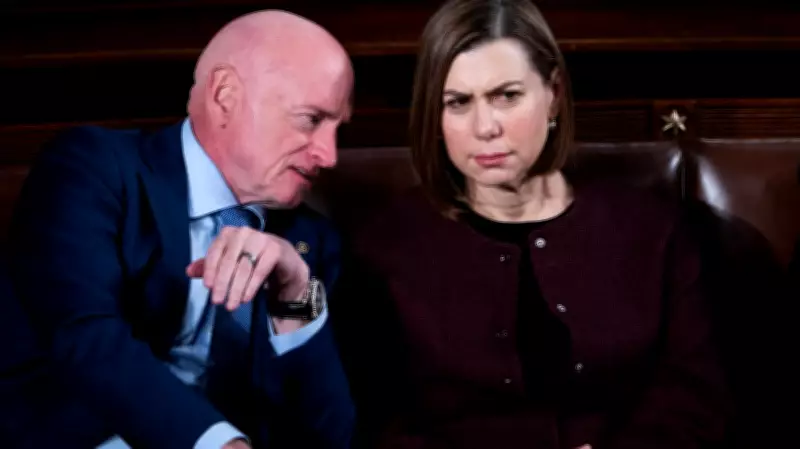
While some senators, like Senator Elissa Slotkin (D-Mich.), a former intelligence analyst, want more details on the war's goals before deciding on funding, she expressed deep skepticism. "They can’t even get their story straight on an hourly basis on the justification of the war," Slotkin noted, referencing the administration's inconsistent messaging.
Others are worried about practical military needs. There are bipartisan fears that U.S. munition stockpiles could deplete if the conflict extends beyond a month. Senators opposing the war, such as Senator Mark Kelly (D-Ariz.), a Gulf War veteran, stress the importance of protecting troops with adequate defensive systems against Iranian missiles. However, Kelly questioned, "I have yet to figure out how this is in the best interest of the American people."
Republican Criticism and Broken Promises
Concerns are not limited to Democrats. Some Republicans have voiced disapproval, noting Trump's past anti-war stance during the 2024 presidential campaign. Senator Rand Paul (R-Ky.), who voted to end hostilities with Iran, remarked, "Our military spending is already more than the next 10 countries combined. So, no, I’m not for spending more money." He expressed disappointment over what he sees as a betrayal of Trump's promises against regime change wars.
Funding Debates and Priorities
Trump has claimed the U.S. can fight wars "forever" with current munitions but hinted that high-end weapons might require extra funding. This comes after Congress passed a defense bill last year with over $900 billion, plus an additional $150 billion in a Republican proposal that cut healthcare programs like Medicaid.
Senator Brian Schatz (D-Hawaii) criticized the costs, stating the war costs taxpayers $1 billion daily and diverts funds from essential services. Senator Patty Murray (D-Wash.) added that without a clear plan or cost estimate, it's impossible to evaluate any funding request.
Meanwhile, Senator Ruben Gallego (D-Ariz.), an Iraq War veteran, called the war "dumb" and suggested allies like Israel and Gulf States should contribute resources, rather than the U.S. providing a "blank check."
As the debate intensifies, lawmakers from both parties are grappling with the implications of funding a conflict that lacks broad support and clear strategic objectives, underscoring deep divisions over national security priorities and fiscal responsibility.