Trump Unveils Iran's 'Present' as Oil Tanker Passage in Tense Negotiations
President Donald Trump provided specific details on Thursday regarding the substantial "present" he reportedly received from Iran, which he described as a gesture of good faith during ongoing efforts to negotiate an end to the protracted war in the Middle East. Earlier in the week, Trump had tantalizingly mentioned receiving a "very big present worth a tremendous amount of money" but declined to elaborate at that time.
The Revelation: Eight, Then Ten, Oil Tankers
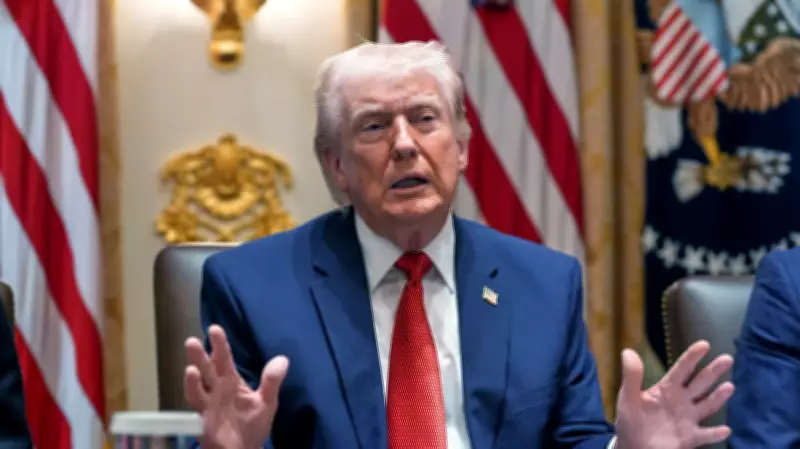
During a cabinet meeting at the White House, Trump revealed that the present consisted of Iran permitting several large oil tankers to navigate through the critically important and previously choked Strait of Hormuz. "Eight big boats of oil," Trump stated, clarifying they were en route to Pakistan. He later corrected himself, confirming the number was actually ten vessels.
Trump framed this action as Iran's attempt to demonstrate its seriousness and reliability to the United States amidst the delicate negotiation process. He emphasized, "They said to show you the fact that we're real and solid and we're there, we're gonna let you have eight boats of oil."

Negotiation Dynamics and Conflicting Claims
These comments further underscore Trump's persistent assertions that Iran is eager to reach a diplomatic agreement, even as Iranian officials have publicly resisted and pushed back against specific demands presented by the U.S. administration. "I say they’re lousy fighters, but they’re great negotiators, and they are begging to work out a deal," Trump reiterated during the same cabinet session, highlighting his view of Iran's strategic posture.
However, this optimistic portrayal contrasts sharply with the defiant responses from Iranian representatives to earlier U.S. threats. Tehran had warned of potential retaliatory strikes on other regional energy facilities if the U.S. followed through on its threats to attack Iranian power plants.
Strategic Leverage and Global Impact
Throughout the conflict, Iran has strategically utilized control over the Strait of Hormuz as a significant bargaining chip, leveraging the waterway's crucial role in global oil transportation. By threatening to target commercial oil tankers, Iran has effectively brought maritime traffic in the strait to a near standstill, exerting substantial economic pressure.
The strait is a vital artery for global energy supplies, with approximately one-fifth of the world's oil transiting through it. Its effective closure has trapped a significant portion of oil within the Persian Gulf, directly contributing to sharply elevated oil and gasoline prices worldwide. This economic strain has, in turn, fueled growing public backlash against Trump and his administration's decision to pursue and continue the war effort.
Extended Deadline and Ongoing Tensions
In a related development, Trump announced an extension of the deadline for Iran to fully reopen the Strait of Hormuz to Monday, April 6. This move came after he had previously issued threats of military strikes against Iranian power plants if Tehran failed to unlock the waterway by an earlier deadline this week.
The situation remains fluid and highly tense, with the gesture of allowing tanker passage serving as a minor de-escalatory step within a broader context of military threats, economic warfare, and complex diplomatic maneuvering. The world continues to watch closely as negotiations unfold, with global energy markets and regional stability hanging in the balance.