Trump Predicts Imminent Fall of Cuba, Declares It a Current Priority
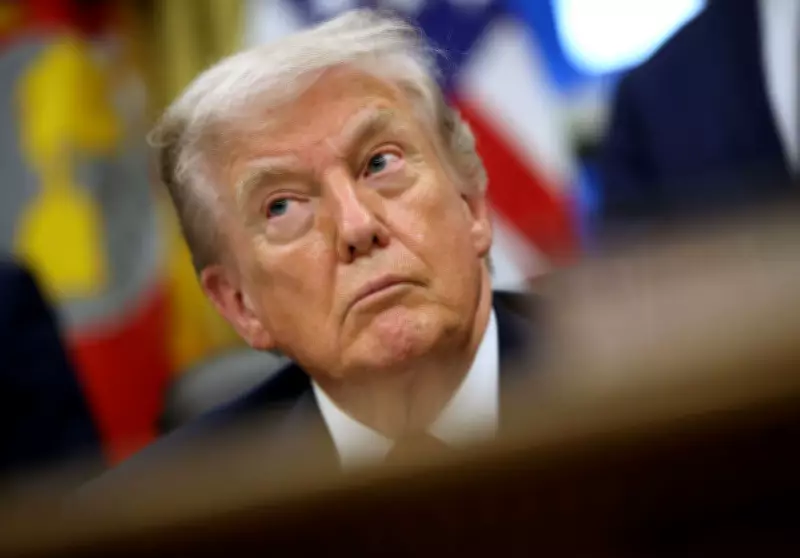
In a recent interview with CNN, former U.S. President Donald Trump made a striking prediction, asserting that Cuba is on the brink of collapse and labeling it a key focus of his current attention. This statement underscores the ongoing geopolitical tensions and Trump's continued involvement in foreign policy matters.
Geopolitical Implications and Historical Context
The remarks come amid a backdrop of longstanding U.S.-Cuba relations, which have been marked by decades of economic sanctions and political strife. Trump's prediction suggests a potential shift in the region's stability, though specific details or evidence supporting his claim were not provided in the interview. Historically, such declarations from U.S. leaders have often influenced diplomatic strategies and international perceptions.
Analysis of Trump's Foreign Policy Focus
Trump's emphasis on Cuba as a priority aligns with his previous administration's hardline stance towards the island nation, which included tightening travel restrictions and reinforcing trade embargoes. By highlighting this issue now, he may be signaling a continued commitment to anti-communist policies or attempting to shape the narrative ahead of future political engagements. Experts note that such statements can have ripple effects, potentially impacting bilateral relations and regional dynamics.

Reactions and Broader Political Landscape
While the immediate reaction from Cuban officials or other global leaders has not been detailed, Trump's comments are likely to spark debate among policymakers and analysts. In the broader context, this aligns with his pattern of making bold, headline-grabbing statements on international affairs, often without immediate follow-through. The timing of this prediction, as global attention remains divided among various crises, adds an element of strategic messaging to his political repertoire.
Overall, Trump's assertion about Cuba's imminent fall serves as a reminder of his enduring influence on U.S. foreign policy discourse, even out of office. It raises questions about the future of U.S.-Cuba relations and the potential for increased tensions in the Caribbean region.