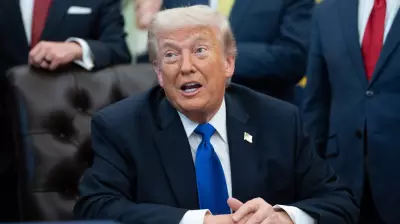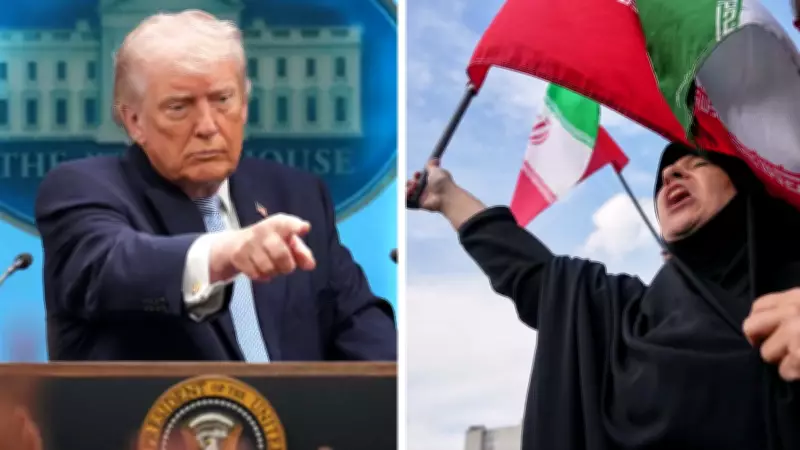
Former President Donald Trump has decided to pause the U.S. initiative to guide commercial vessels through the Strait of Hormuz, a critical waterway for global oil shipments. The move is intended to create space for a potential new agreement with Iran, according to sources familiar with the decision.
Strategic Shift in Middle East Policy
The suspension of the vessel guidance program marks a significant shift in U.S. strategy in the region. The Strait of Hormuz, located between Oman and Iran, is a vital chokepoint through which about 20% of the world's oil passes. The U.S. had previously increased naval presence and coordination to ensure safe passage amid tensions with Iran.
Trump's decision comes as his administration seeks to revive negotiations with Tehran over its nuclear program and regional activities. The pause is seen as a goodwill gesture to facilitate diplomatic talks.

Reactions and Implications
Critics argue that halting the guidance could embolden Iran and increase risks for commercial shipping. Supporters, however, view it as a necessary step toward de-escalation. The move has drawn mixed reactions from U.S. allies in the region, who rely on stable oil transit.
Oil prices saw slight fluctuations following the announcement, with analysts closely monitoring the situation. The Trump administration has not provided a timeline for resuming the program, emphasizing that negotiations will determine the next steps.
This development underscores the complex interplay between military posture and diplomacy in the Middle East. As both sides signal willingness to talk, the coming weeks will be critical in determining whether a new Iran deal can be reached.