Trump Issues Directive Limiting DHS Involvement in Municipal Protests
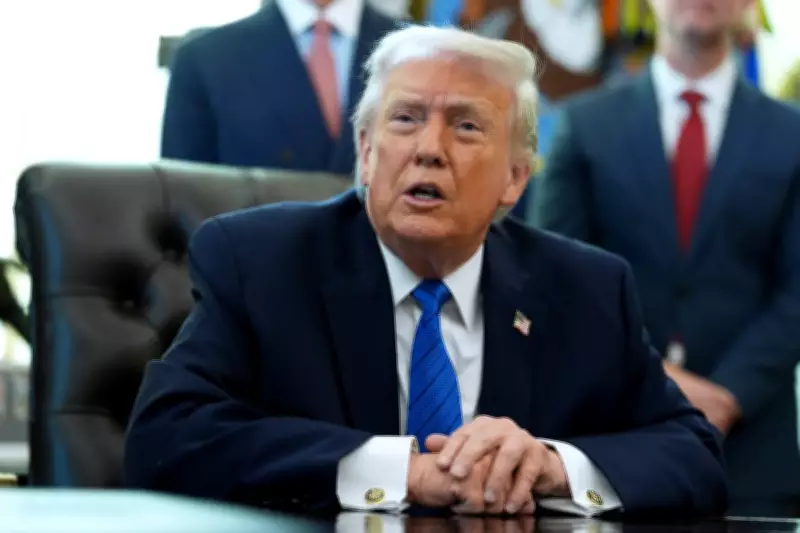
In a significant policy move, President Donald Trump has ordered the Department of Homeland Security (DHS) to maintain distance from protest activities occurring in cities governed by Democratic leadership. This directive, issued from the Oval Office, stipulates that federal agents should not engage unless local authorities formally seek assistance.
The announcement came during a White House event on January 30, 2026, where Trump emphasized a hands-off approach unless municipalities reach out for support. This decision reflects ongoing tensions between federal and local governments regarding law enforcement roles during civil unrest.
Context and Implications of the Presidential Order
This order marks a notable shift in federal strategy concerning urban demonstrations. By requiring Democratic-led cities to explicitly request help, the administration is altering the dynamics of federal-local cooperation during periods of public protest.

The policy raises important questions about jurisdictional boundaries and the appropriate circumstances for federal intervention in municipal affairs. It comes amid broader discussions about the balance between state autonomy and federal oversight in matters of public safety and civil order.
Broader Political Landscape and Municipal Relations
The directive occurs within a complex political environment where relationships between federal and local governments have been strained over various policy matters. Democratic mayors and city councils have frequently advocated for greater local control over policing and public safety measures.
This development may influence how future administrations approach similar situations, potentially setting precedents for federal restraint in municipal affairs unless specifically invited to participate. The requirement for formal requests creates a procedural hurdle that could delay federal response times during rapidly evolving situations.
As this policy unfolds, its practical implementation and impact on public safety in Democratic-led urban centers will be closely monitored by both supporters and critics of the administration's approach to federal-local relations.