Trump Dismisses War Crime Concerns While Issuing Military Threats Against Iran
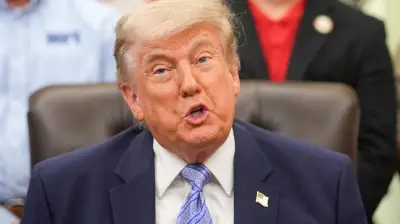
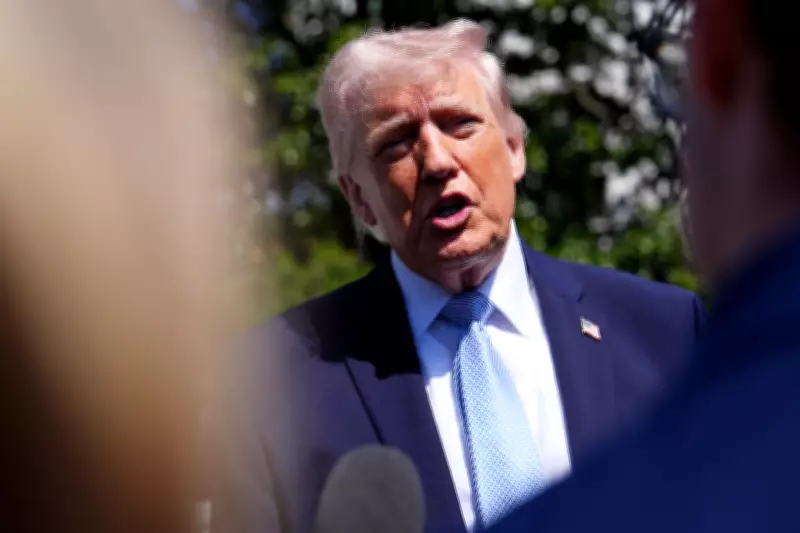
In a stark declaration that has ignited international debate, former U.S. President Donald Trump has asserted he is "not worried" about the United States potentially committing war crimes, as he openly threatens military action against Iran. This statement comes amidst heightened geopolitical tensions and a looming deadline set by Trump regarding Iran, raising alarms among global observers and legal experts.
Escalating Rhetoric and a Harrowing Rescue Mission
Trump detailed what he described as a "harrowing" rescue operation of a U.S. Air Force member from inside Iran, highlighting the risks involved. "We have some helicopters with a lot of bullet holes in them," Trump remarked, underscoring the intensity of the mission. He contrasted Iran's current state with its past, noting, "Iran was a great country if you go back 25 years ago," suggesting a decline under its present leadership.
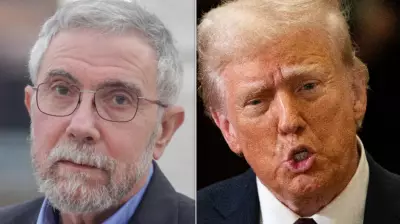
Eric Ham, a commentator, noted that "there's a lot of pressure" on Trump ahead of the Iran deadline, indicating the high stakes of the situation. Trump confirmed the deadline's finality, stating "The answer is yes" when asked if it is definitive, reinforcing his uncompromising stance.

Legal Threats and Journalistic Intimidation
In a concerning move, Trump threatened legal action against a journalist who reported on the stranded U.S. airman, declaring they "will go to jail" if they do not reveal their source. This threat has sparked fears about press freedom and the potential chilling effect on investigative reporting, especially in matters of national security.
Broader Context and International Reactions
Iran has rejected ceasefire proposals as the deadline approaches, responding to what Trump termed a "hell" ultimatum. The situation is further complicated by domestic issues, such as a gas line leak in Mississauga that prompted police warnings, but the focus remains on the escalating U.S.-Iran conflict.
Trump's comments come at a time when other global events are unfolding, including record warmth in British Columbia and various local incidents across Canada. However, the primary concern centers on the potential for military engagement and its legal ramifications.
Implications for U.S. Foreign Policy and International Law
Trump's dismissal of war crime worries raises significant questions about adherence to international law and the Geneva Conventions. Experts warn that such rhetoric could undermine global norms and lead to increased instability in the Middle East. The threat of bombs on Iran, coupled with a rescue mission that involved direct confrontation, suggests a volatile path forward.
As the deadline looms, the world watches closely, with many fearing that Trump's approach could precipitate a broader conflict. The combination of military threats, legal intimidation, and a disregard for war crime concerns paints a troubling picture of U.S. foreign policy under his influence.