Colby Cosh: Trump Faces Pressure to Address Border Patrol Crisis Following Minneapolis Shooting
The tragic death of Alex Pretti in Minneapolis has exposed deep fractures in American law enforcement and political discourse. Pretti, an ICU nurse at a VA medical center, was shot multiple times by Border Patrol agents during an altercation in the city's Eat Street district on January 24, 2026. The incident, captured by numerous cameras, has sparked national outrage and raised serious questions about federal authority and accountability.
Official Reactions Draw Widespread Condemnation
What has been particularly disturbing in the aftermath of this tragedy has been the response from government officials. The Secretary of Homeland Security declared that Pretti was present 'to kill law enforcement', while a regional Border Patrol commander accused him of planning a 'massacre'. Homeland Security advisor Stephen Miller went further, labeling Pretti a 'terrorist' before investigators had completed their work.
These statements represent a dangerous precedent according to political commentator Colby Cosh. They effectively announce that federal agents can kill citizens and be presumed innocent before evidence is examined. This crosses a crucial line in democratic governance, regardless of one's position on immigration enforcement or protest rights.

A Broader Political Crisis Unfolds
The Minneapolis shooting has exposed contradictions within American political ideologies. Many Republicans traditionally champion the Second Amendment as a safeguard against government overreach, yet some have remained silent or offered qualified support for federal agents in this case. Meanwhile, some Democrats who typically advocate for gun control are now recognizing potential benefits of an armed citizenry when confronting federal authority.
Cosh notes that this incident has transformed an American city into the scene of a simmering low-level conflict between citizens and federal authorities. The fact that a licensed gun owner was disarmed and killed by federal agents in full public view represents a significant escalation in tensions between government and citizens.
The Trump Factor in the Equation
While some might imagine this situation as part of a calculated political strategy, Cosh dismisses such theories. 'Trump isn't playing four-dimensional chess,' he writes. The real question is whether the former president, as leader of a political movement, can address what Cosh describes as 'cryptofascist opportunists' within his circle.
The fundamental challenge now rests with Donald Trump's ability to untangle what has become a Border Patrol crisis. As Cosh observes, firings and personnel changes are supposed to be Trump's specialty, yet optimism remains scarce about his willingness to address problematic elements within federal law enforcement agencies.
Broader Implications for Democratic Governance
This incident transcends specific constitutional debates about the Second Amendment or immigration policy. At its core, it represents a test of whether American institutions can hold federal agents accountable for their actions. When government representatives preemptively justify lethal force without evidence, they undermine public trust in law enforcement and democratic institutions.
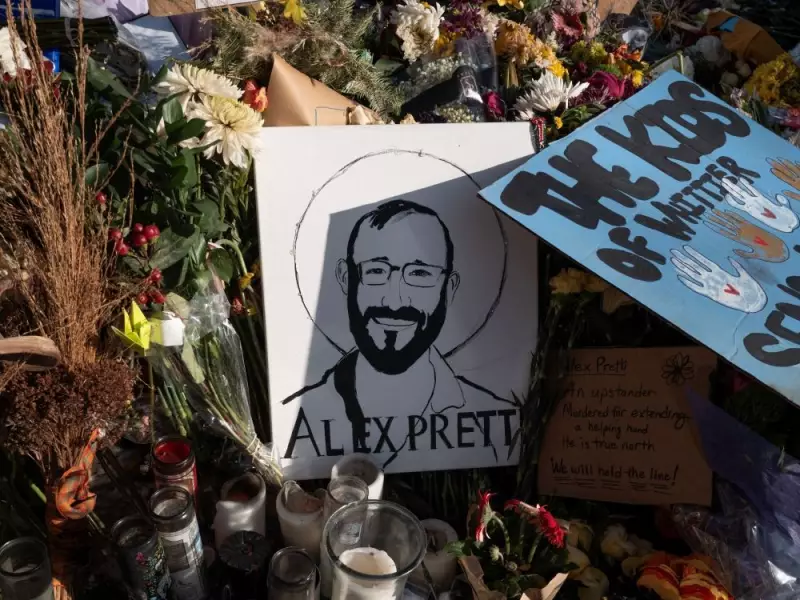
The memorial to Alex Pretti in Minneapolis, consisting of flowers and posters, stands as a somber reminder of what's at stake. As citizens across the political spectrum examine the evidence themselves in this age of democratized media, the fundamental question remains: Can American democracy course-correct when federal authority appears to operate above scrutiny?
Ultimately, the resolution of this crisis may depend on political leadership willing to confront uncomfortable truths about federal power and accountability. Without such leadership, the Minneapolis shooting risks becoming not an isolated tragedy, but a precedent for future conflicts between citizens and the state.