Trump's Swift Negotiations Aim to Prevent Government Shutdown
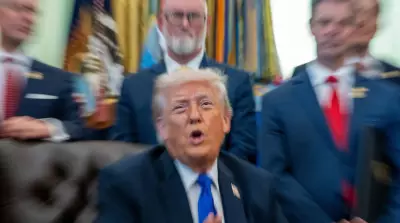
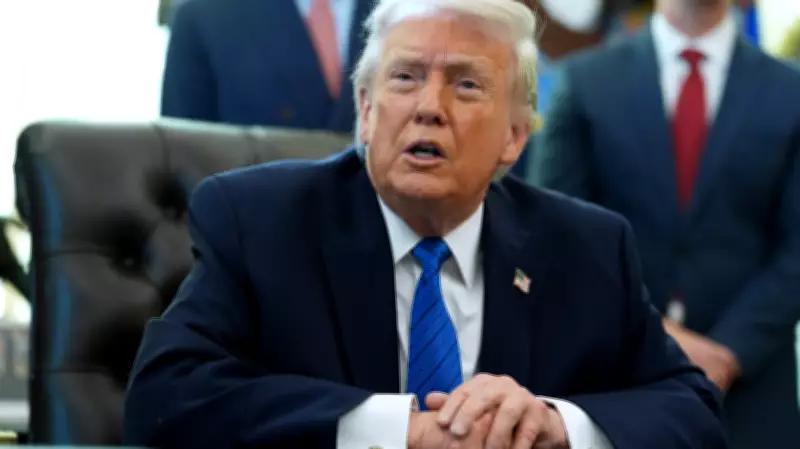
In a notable strategic shift, President Donald Trump has engaged in rapid negotiations with Democratic leaders this week to avert a potentially lengthy government shutdown centered on Department of Homeland Security funding. This approach contrasts sharply with last year's record 43-day standoff, during which Trump publicly antagonized Democratic figures and showed little willingness to compromise. The urgency of the current situation is underscored by mounting political pressures, including public outrage over recent fatal shootings in Minneapolis involving federal immigration officers.
Political Calculus Behind the Funding Deal
The President's move to secure a deal with Senate Democratic leader Chuck Schumer of New York comes at a critical juncture. Republican efforts to promote their legislative achievements, such as the $4.5 trillion tax and spending cuts law, risk being overshadowed by the specter of another shutdown. Many within the GOP recall the political damage from last year's shutdown, where polling indicated Republicans bore slightly more blame than Democrats. "The only thing that can slow our country down is another long and damaging government shutdown," Trump emphasized in a social media post late Thursday, signaling his desire to avoid a repeat scenario.
Minneapolis Shootings Complicate Immigration Debate
The political landscape has been further complicated by the fallout from the fatal shootings of ICU nurse Alex Pretti and Renee Good in Minneapolis, both involving federal immigration officers. These incidents have ignited bipartisan concern and threatened public support for Trump's hard-line immigration agenda. Democratic senators have unified around key demands, including:

- Enforcing a strict code of conduct for immigration officers
- Ending roving patrols for enforcement actions
- Improving coordination with local law enforcement on arrests
- Implementing body cameras and clear identification requirements
Senator Tim Kaine, D-Va., noted, "The world has seen the videos of those horrible abuses by DHS and rogue operations catching up innocent people, and there's a revulsion about it." He added that the White House appears to be seeking "a ladder off the ledge" in Minneapolis.
Republican Divisions and Strategic Concerns
While Trump maintains considerable sway over the Republican Party, frustration simmers among some conservatives regarding the funding deal. Senator Tommy Tuberville, R-Ala., expressed resistance on social media, questioning, "Republicans control the White House, Senate and House. Why are we giving an inch to Democrats?" Other Republicans, however, recognize the precarious political position. Senator John Kennedy, R-La., observed, "I've never seen a political party take its best issue and turn it into its worst issue in the period of time that it has happened in the last few weeks."
The Two-Week Funding Extension and Ongoing Battles
The agreement reached this week, pending House approval, would fund most federal departments through September but extends DHS funding for only two weeks. This short-term solution leaves lawmakers with limited time to bridge deep ideological divides over immigration enforcement. Republican senators plan to counter Democratic demands by introducing bills supporting Trump's policies, including restrictions on sanctuary cities. Senate Majority Leader John Thune, R-S.D., acknowledged the challenges ahead, stating, "We'll stay hopeful. But there are some pretty significant differences of opinion."
As the House prepares to vote on the funding package Monday, the potential for a prolonged shutdown fight remains. Yet Trump's proactive engagement suggests a strategic pivot aimed at mitigating political risks while navigating the complex intersection of government funding, immigration policy, and public sentiment shaped by recent tragedies.