Trump Labels Iran Ceasefire Proposal as 'Very Significant Step' in Ongoing Conflict
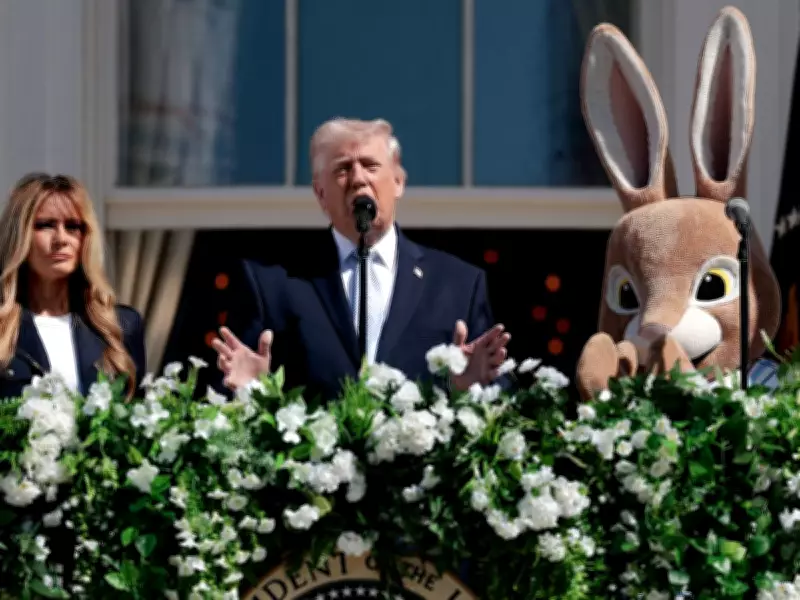
President Donald Trump announced on Monday that the United States has examined a proposal for a 45-day ceasefire in the war with Iran, characterizing the move as a "very significant step" in the protracted conflict. The remarks were delivered during the annual Easter Egg Roll event held on the South Lawn of the White House, where Trump addressed reporters amidst festive surroundings.
White House Confirms Ceasefire Deal Under Consideration
Earlier in the day, White House officials confirmed that a deal for a temporary 45-day ceasefire with Iran is currently under active consideration. However, they emphasized that President Trump has "not signed off" on the proposal, and military operations under the codename "Operation Epic Fury" continue unabated. A senior White House official stated, "This is one of many ideas, and POTUS has not signed off on it. Operation Epic Fury continues," adding that the president plans to provide further details during a press conference scheduled for later in the day.
Trump elaborated on his perspective during the Easter event, noting, "It's a significant proposal, it's a significant step. It's not good enough, but it's a very significant step." He further indicated that negotiations are ongoing, remarking, "They are negotiating now. We'll see what happens."

Iran Rejects Ceasefire as 'American Proposal'
In a parallel development, Iranian state media reported that Tehran has formally rejected a truce to end the war, labeling it as an "American proposal." The news agency IRNA detailed that Iran's response, outlined in ten specific points, insists on a definitive end to the conflict rather than a temporary ceasefire. This rejection underscores the complex diplomatic landscape, with Iran maintaining a firm stance against what it perceives as external impositions.
International Efforts to Resolve 38-Day Conflict
The proposed ceasefire emerges amid intensive international efforts to find a diplomatic solution to a war that has now spanned 38 days. The conflict was ignited by coordinated Israeli and U.S. attacks against Iran, which retaliated by launching missiles at various targets across the Middle East. Multiple countries are involved in mediation attempts, seeking to de-escalate tensions and prevent further regional instability.
Trump Comments on Iran's Military Strength and Oil
During the White House event, Trump also commented on Iran's military capabilities, asserting, "That enemy is strong. Not so strong like they were about a month ago, I can tell you. In fact, right now they're not too strong at all in my opinion, but we're soon going to find out, aren't we?" His remarks reflect ongoing assessments of the conflict's dynamics and the impact of sustained military engagements.
Additionally, Trump touched on economic aspects, stating that if it were solely his decision, he would seize Iran's oil resources. He noted, "I'd keep the oil, and I would make plenty of money," but acknowledged public sentiment, saying, "unfortunately, the American people would like to see us come home" and end the war. This highlights the balance between strategic interests and domestic pressures in U.S. foreign policy.
The situation remains fluid, with diplomatic channels active and military operations continuing. The outcome of these negotiations could significantly influence the trajectory of the conflict and broader Middle East stability.