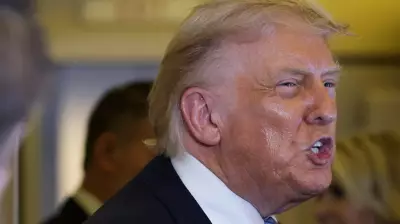
WorldNews Service reports that President Donald Trump's immunity from Internal Revenue Service (IRS) audits has shocked experts, who caution that this unprecedented measure could erode public confidence in the tax system. The revelation has sparked widespread debate about the fairness and integrity of tax enforcement in the United States.
Background and Implications
The immunity, which shields Trump from routine IRS audits, was disclosed by administration officials. Critics argue that it sets a dangerous precedent, suggesting that high-ranking officials may be above the law. Legal scholars and tax experts have expressed alarm, noting that the IRS audit process is a cornerstone of tax compliance and accountability.
Expert Reactions
Dr. Emily Carter, a tax law professor at Georgetown University, stated, 'This immunity undermines the foundational principle that no one is exempt from tax scrutiny. It could lead to a loss of trust in the entire tax system.' Other experts echoed her concerns, warning that such exemptions could encourage tax evasion and reduce voluntary compliance.

The White House has defended the decision, citing security and privacy concerns. However, transparency advocates argue that the move lacks legal justification and could invite further abuses of power.
Political and Public Response
Democratic lawmakers have called for congressional hearings to investigate the legality and ethics of the immunity. Meanwhile, public opinion remains divided, with some supporting the president's right to privacy and others demanding accountability.
The controversy comes amid ongoing debates about tax reform and IRS funding. Experts emphasize that maintaining an impartial and robust audit system is essential for public trust.
Looking Ahead
As the story develops, legal challenges may arise. The case highlights the tension between executive privilege and the rule of law, with potential implications for future administrations.