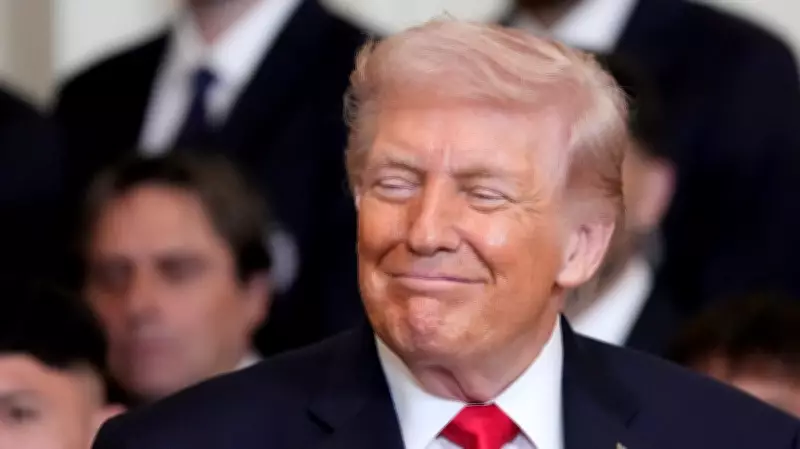
In an exclusive interview with Reuters on Thursday, President Donald Trump stated that he is not concerned about the escalating U.S. gas prices, which have been driven by the widening conflict with Iran. Emphasizing the priority of the ongoing military operation, Trump remarked, "I don't have any concern about it. They'll drop very rapidly when this is over, and if they rise, they rise, but this is far more important than having gasoline prices go up a little bit."
Shift in Presidential Tone on Energy Issues
These comments represent a notable shift in tone for the president, who just last month highlighted a decline in gas prices during his State of the Union address. Additionally, at a Texas rally focused on energy, held hours before the U.S. launched air strikes on Saturday, Trump touted economic achievements. Political analysts suggest that a persistent increase in gas prices could adversely affect Republicans in the upcoming November midterm elections, where control of the U.S. Congress is at stake. Voters are already expressing dissatisfaction with the high cost of living and Trump's management of the economy.
White House Engages with Oil Industry and Considers Options
White House press secretary Karoline Leavitt confirmed on Thursday that White House Chief of Staff Susie Wiles and Energy Secretary Chris Wright have been in discussions with oil CEOs to explore potential measures to combat rising energy prices. Despite these efforts, Trump has outlined a four-to-five-week timeline for the military campaign against Iran, a plan that has been questioned by political and military experts. They note that the U.S. government has yet to clearly define its end goal as the conflict continues to spread regionally and beyond.

In the interview, Trump also dismissed the idea of tapping the Strategic Petroleum Reserve, the world's largest emergency crude stockpile. He expressed confidence that the Strait of Hormuz, a critical channel for oil shipping near Iran, would remain open, stating that Iran's navy is at the "bottom of the sea."
Impact on Global and Domestic Fuel Markets
Since the war began on Saturday, global oil prices have surged by 16%, driven by disruptions to Middle East supplies. According to AAA, a U.S. travel organization that monitors fuel prices, the national average cost of gas has increased by 27 cents since last week, reaching $3.25 per gallon. This current average is 15 cents higher than it was a year ago. Trump downplayed these increases, saying the costs "haven't risen very much."
Internal White House Strategy and Limited Policy Options
The White House is banking on the assumption that the conflict with Iran—and the resulting pain at the gas pump—will be short-lived. Energy advisers have informed Trump aides that the initial shock in fuel markets has been less severe than anticipated and have advocated for patience, according to two anonymous sources familiar with internal deliberations. These advisers cautioned that any intervention by the Trump administration that fails to quickly reduce prices could destabilize markets and prove counterproductive.
Secretary of State Marco Rubio announced earlier this week that the administration is rolling out a package of measures to address rising energy prices. However, the only plans disclosed so far include U.S.-backed risk insurance for oil tankers and the potential for naval escorts through the Strait of Hormuz. Three energy executives, speaking anonymously to Reuters, indicated that the White House has limited effective options to lower energy prices. One executive noted, "When you look across the menu of policy options, domestically or within other countries, they can be helpful, but they don't move the needle far. I think the primary focus is ... to do whatever they can to restore transits through the Strait of Hormuz itself."
Officials are also considering a range of other strategies, such as implementing a federal gasoline tax holiday and relaxing environmental regulations around summer gasoline to permit higher blends of ethanol, as per the two sources. While a potential release from the Strategic Petroleum Reserve was under discussion, Trump has ruled out this option for the time being in his comments to Reuters.

Political Implications and Republican Stance
Congressional Republican leaders, including House Speaker Mike Johnson, have similarly downplayed concerns about rising gas prices, even as the party prepares to center its midterm election strategy on economic successes. This stance aligns with Trump's focus on military priorities over immediate economic relief, setting the stage for a contentious election season as voters grapple with higher living costs.