Tentative Agreement Reached to Prevent Government Shutdown
In a significant political development, U.S. President Donald Trump and Senate Democrats have forged a tentative deal to avert a potentially disruptive government shutdown. This breakthrough comes amid intense negotiations focused on implementing new limitations on immigration enforcement actions that have sparked widespread public concern across the nation.
Immigration Enforcement at Center of Negotiations
The shutdown crisis emerged following a tragic incident in Minneapolis last weekend, where a U.S. citizen lost their life during a confrontation with Border Patrol officers. This event prompted Senate Democrats to take a firm stance, refusing to approve funding renewal for the Department of Homeland Security unless substantial new restraints were placed on immigration enforcement practices.
Democratic negotiators have been pushing for several specific requirements, including mandatory body camera usage by DHS agents, judicial warrant requirements for certain operations, prohibitions against masking DHS personnel during enforcement actions, and restrictions on broad immigration sweeps that have drawn criticism from civil rights advocates.

Temporary Funding Arrangement Reached
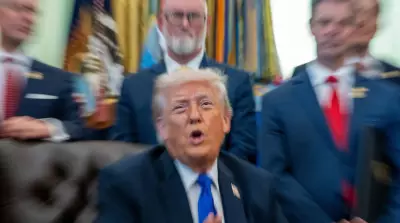
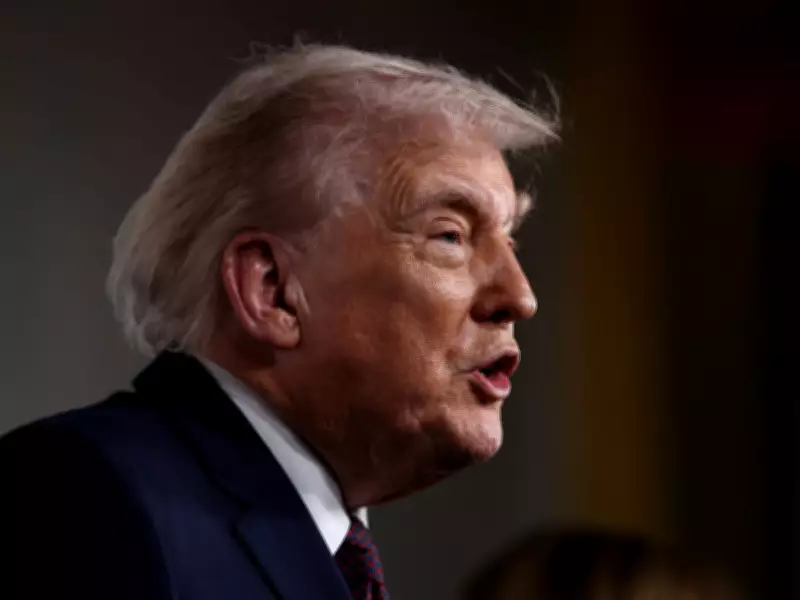
President Trump confirmed that an agreement had been reached and publicly urged both political parties to support the proposed legislation. According to Democratic sources familiar with the negotiations, the tentative deal would provide funding for the Homeland Security Department for a two-week period, creating additional time for more comprehensive discussions about immigration policy reforms.
Senate Democratic leader Chuck Schumer played a pivotal role in these negotiations, engaging in direct talks with White House officials to broker the temporary funding arrangement. This bipartisan effort represents a rare moment of cooperation in what has become an increasingly polarized political landscape.
Legislative Timeline and Potential Challenges
The Senate could potentially vote on the comprehensive funding package as early as Thursday night. This legislative package includes full-year funding allocations for several other government agencies beyond Homeland Security. However, a significant complication arises from the House of Representatives' current recess, with members having departed Washington after passing a massive spending bill last week.
House Speaker Mike Johnson has indicated that representatives might return as early as Sunday to address any necessary changes to the legislation. "Stay tuned," Johnson remarked when questioned about the precise timing of the House's potential reconvening. This scheduling conflict creates the possibility of a brief, technical shutdown that experts suggest would have minimal practical impact on government operations.
Political Implications and Public Opinion
Recent polling data indicates that the Trump administration's aggressive deportation campaign has become increasingly unpopular with American voters. This shifting public sentiment poses potential risks for the Republican Party as midterm elections approach. In response to these political pressures, President Trump has signaled in recent days that he would consider making adjustments to his administration's immigration enforcement strategies.
The tentative agreement represents a delicate balancing act between maintaining government operations and addressing growing concerns about immigration enforcement practices. As negotiations continue, both parties remain aware of the political stakes involved, with immigration policy emerging as a defining issue in contemporary American politics.