Trump Rejects Diplomatic Engagement with Iran, Insists on Unconditional Surrender
In a stark declaration that has intensified geopolitical tensions, former U.S. President Donald Trump has publicly ruled out any possibility of diplomatic talks with Iran unless the Islamic Republic agrees to an unconditional surrender. This hardline stance, articulated amidst ongoing Middle East hostilities, signals a significant escalation in the conflict and raises critical questions about the future trajectory of U.S. foreign policy in the region.
Escalating Rhetoric and Regional Implications
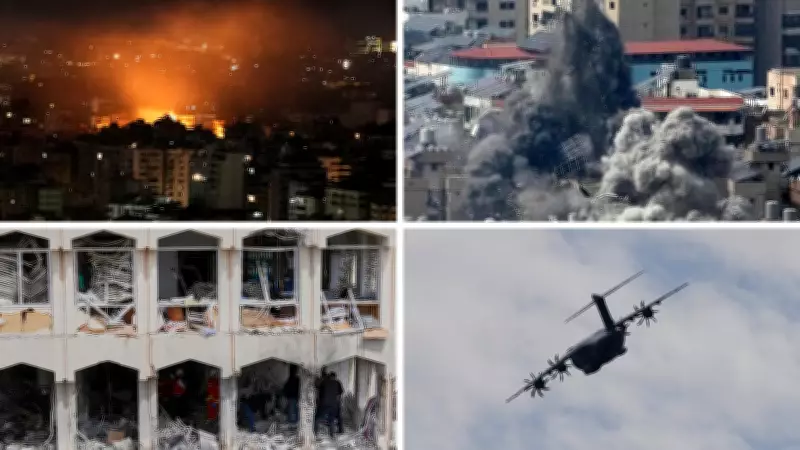
The announcement comes as military actions continue to unfold, with recent U.S. Central Command footage showing an Iranian drone carrier engulfed in flames following targeted strikes. Trump's position effectively closes the door on traditional diplomatic channels, framing the confrontation in absolutist terms that demand total capitulation from Tehran. This approach marks a dramatic departure from previous administrations' efforts to engage Iran through negotiations or multilateral agreements.
Regional analysts are now grappling with the potential consequences of this policy shift. "Iran is not Venezuela," noted one Middle East expert, highlighting the complex geopolitical realities that distinguish this conflict from other international disputes. The expert emphasized that Iran's regional influence, military capabilities, and strategic alliances create a fundamentally different context that may not yield to unilateral demands for surrender.

Canada's Role and International Response
The evolving situation places Canada in a delicate position as a U.S. ally with interests in Middle East stability. Key questions emerging include:
- How might Canada become involved in the escalating conflict?
- What assistance could Canada provide to Persian Gulf states defending against potential strikes?
- How will this development affect Canada's diplomatic relationships in the region?
These considerations come as Trump has previously suggested he should help choose Iran's next leadership, a statement that further complicates the political landscape. The conflict's expansion, with Iran reportedly broadening its target list, suggests a widening war that could draw in additional international actors.
Broader Context and Future Scenarios
The unconditional surrender demand represents perhaps the most uncompromising position taken by a U.S. leader toward Iran in decades. This development occurs alongside other significant geopolitical events, including defense production concerns as U.S. strikes on Iran deplete military stockpiles, and market volatility driven by Gulf oil supply fears.
As the situation develops, observers are monitoring several critical factors:
- The practical implementation of Trump's surrender demand
- Iran's likely response to this ultimatum
- Potential involvement of other nations in the conflict
- Impact on global energy markets and regional stability
The hardening of positions on both sides suggests a prolonged period of tension with limited prospects for diplomatic resolution under current conditions. This represents a significant challenge for international efforts to de-escalate the Middle East conflict and maintain global security.