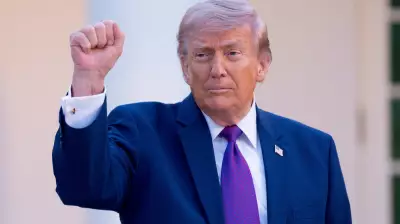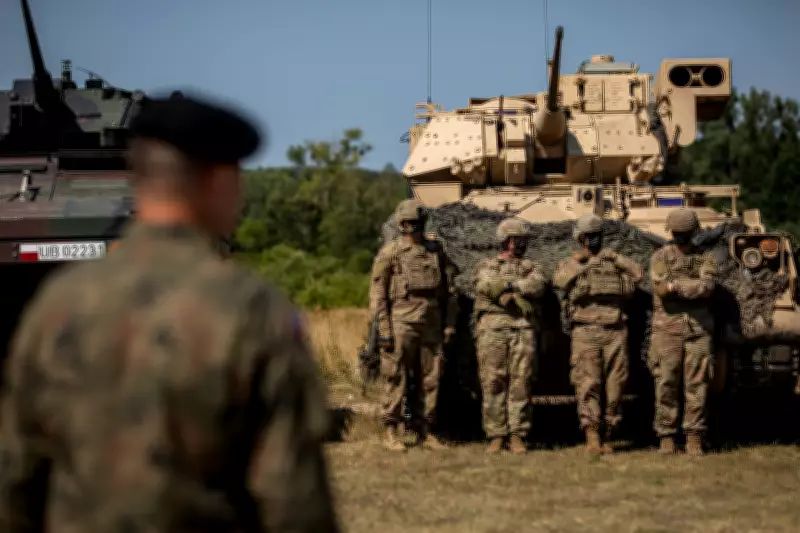
President Donald Trump is moving forward with plans to reduce the number of U.S. troops stationed in Europe, a decision that has sparked debate among allies and military experts. The drawdown, which has been anticipated for months, is part of a broader strategy to reassess American military commitments abroad.
Background of the Troop Reduction
The United States has maintained a significant military presence in Europe since the end of World War II, with numbers fluctuating during the Cold War and post-9/11 era. Currently, approximately 70,000 U.S. troops are deployed across the continent, with major bases in Germany, Italy, and the United Kingdom. Trump's administration argues that European allies should shoulder more of the financial burden for their own defense, a recurring theme in his foreign policy.
Details of the Plan
According to Pentagon officials, the reduction will involve the withdrawal of about 12,000 troops, with some units being redeployed to other regions, including the Indo-Pacific. The plan includes closing several smaller bases and consolidating forces at larger installations. The move is expected to be completed over the next 18 months, with careful coordination to ensure minimal disruption to NATO operations.

Critics, however, warn that this could embolden Russia and weaken the alliance. NATO Secretary-General Jens Stoltenberg expressed concern, stating that the reduction sends a wrong signal at a time when security challenges are increasing. In contrast, some European leaders have welcomed the move as an opportunity to strengthen their own defense capabilities.
Reactions from Allies and Experts
Germany, which hosts the largest number of U.S. troops, has been particularly vocal. Chancellor Angela Merkel noted that while Germany appreciates the U.S. commitment, it is prepared to take on more responsibility. Meanwhile, defense analysts highlight that the reduction may lead to increased defense spending by European nations, a long-standing U.S. demand.
The decision also comes amid ongoing tensions with Russia over Ukraine and cybersecurity threats. Some experts argue that reducing troop levels could undermine deterrence, while others believe that technological advancements and rapid deployment capabilities can compensate for fewer boots on the ground.
Impact on Military Operations
The drawdown will affect joint exercises and training programs. Units like the 2nd Cavalry Regiment and the 173rd Airborne Brigade are likely to see changes in their rotational deployments. The U.S. Army Europe commander stated that the transition will be managed carefully to maintain readiness and interoperability with allied forces.
In addition, the reduction may lead to increased reliance on reserve forces and enhanced use of prepositioned equipment. The Pentagon emphasizes that the U.S. remains committed to Article 5 of the NATO treaty, which considers an attack on one member as an attack on all.
Future of U.S.-Europe Defense Relations
This troop reduction marks a significant shift in U.S. defense strategy, reflecting a broader trend towards prioritizing strategic competition with China. While the immediate impact on European security is uncertain, the move underscores the need for Europe to invest more in its own defense infrastructure.
As the plan unfolds, diplomatic engagements will be crucial to reassure allies and manage perceptions. The U.S. has pledged to maintain a robust presence in key areas, including air and naval forces, to ensure continued security cooperation.