Trump Escalates Feud with Pope Leo XIV Over Iran War Stance
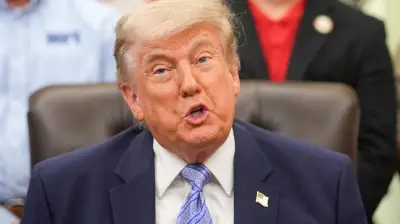
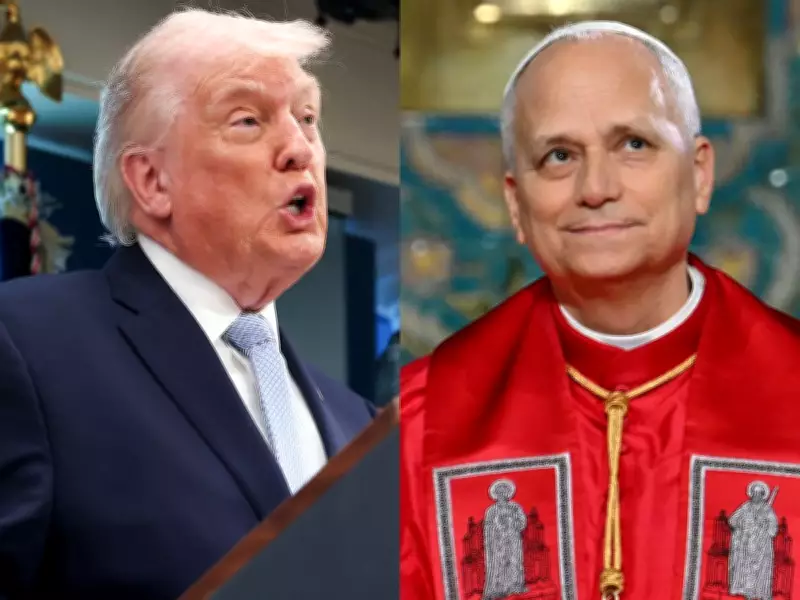
In a striking escalation of tensions between political and religious leadership, U.S. President Donald Trump declared on Sunday, "I am not a fan of Pope Leo," directly criticizing the pontiff who has been openly critical of the ongoing war against Iran. The comment came after Pope Leo XIV stated he has "no fear of the Trump administration," setting the stage for a remarkable public confrontation between two of the world's most prominent figures.
Mutual Disdain Between President and Pontiff
The feeling appears to be mutual, with Vatican observers noting that Trump remains one of the most unpopular democratic leaders globally, carrying minority support at home and minimal backing abroad. Pope Leo XIV did not directly respond to Trump's criticism, but his earlier statement about lacking fear of the administration spoke volumes about the deteriorating relationship.
Increasing numbers of political analysts and international observers have begun questioning not only Trump's policies but his mental state, with some wondering if the president is becoming unhinged or experiencing health issues that might affect his decision-making capabilities.

Religious Imagery Sparks Controversy
The conflict took an even more controversial turn when Trump posted an AI-generated image depicting himself as Jesus Christ on his Truth Social platform. Although he later removed the image, claiming he believed it portrayed him as a doctor rather than a religious figure, the incident raised questions about his understanding of sacred iconography and appropriate boundaries.
"To ensure that no Christian was left behind in being insulted," as one commentator noted, the president's actions managed to offend multiple religious sensibilities simultaneously. The image appeared to be a direct response to Pope Leo's criticism, creating what many viewed as a blasphemous counterattack.
Vatican Peace Vigil Contrasts with Administration Strategy
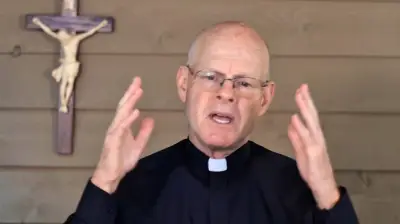
While Pope Leo XIV was conducting a Saturday prayer vigil for peace at St. Peter's in Rome, lamenting that "even the holy Name of God, the God of life, is being dragged into discourses of death," the Trump administration was pursuing a different approach to the Iran conflict.
Vice-President JD Vance was simultaneously negotiating with Iranian officials, attempting to achieve two primary objectives:
- Convince Iran to abandon its nuclear program entirely, following last year's "obliteration" of its nuclear weapons facilities by Israeli and American strikes
- Reopen the Strait of Hormuz, which Iran has effectively blocked and begun levying tolls on shipping since the Netanyahu-Trump war began
Strategic Implications of the Confrontation
The diplomatic efforts faced significant challenges, with Iran refusing to unblock the Strait of Hormuz. In response, Trump has now implemented a complete blockade of the strategic waterway, applying his tariff philosophy to military matters by effectively raising living costs for Americans and other nations in what he views as a strategy to inflict greater economic pain on Iran.
This approach has drawn criticism from multiple quarters, with some suggesting that begging a theocratic regime to surrender advantages gained through American military actions represents a significant strategic miscalculation. The situation has created what analysts describe as a propaganda victory for Iran, allowing the regime to position itself as standing firm against American pressure while the U.S. administration appears divided and inconsistent in its foreign policy approach.
The confrontation between Trump and Pope Leo XIV represents more than just personal animosity—it reflects fundamental disagreements about the morality of warfare, the role of religious leadership in political discourse, and the appropriate boundaries between state and spiritual authority in international conflicts.