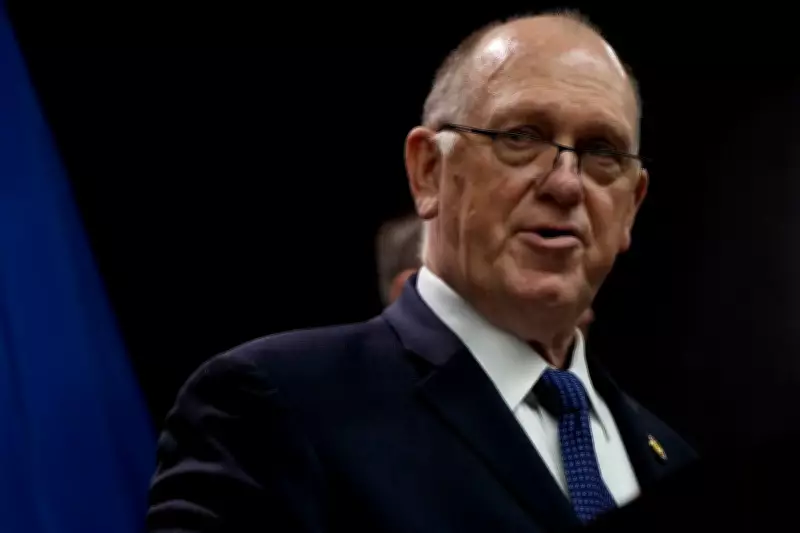
Trump's Border Czar Signals Potential Minnesota Troop Drawdown, But With Conditions
A senior official from the Trump administration, often referred to as the border czar, has indicated that a reduction in federal personnel and resources in Minnesota could be on the table. However, this potential drawdown is strictly contingent upon achieving a significant level of cooperation from state and local authorities.
Cooperation as a Prerequisite for Any Federal Pullback
The official emphasized that any decrease in the federal footprint would only occur after Minnesota demonstrates a clear and sustained commitment to collaborative efforts on border security and related enforcement priorities. This stance underscores the administration's focus on ensuring that local jurisdictions align with federal strategies before resources are reallocated.
The comments come amid ongoing discussions about the appropriate level of federal involvement in various regions across the United States. Minnesota has been a focal point in recent debates concerning immigration enforcement and the role of federal agents in urban areas.

Context of Ongoing Tensions and National Debates
This development follows reports of tensions, including a widely circulated video that appears to show an individual named Alex Pretti in a confrontation with U.S. federal agents. Incidents like these have fueled national conversations about the presence and conduct of federal personnel in states and cities.
The border czar's statement reflects a conditional approach, suggesting that the administration is willing to adjust its tactics but not its overall objectives. The priority remains securing cooperation to advance shared security goals before considering any scale-back of operations.
As the situation evolves, stakeholders in Minnesota and at the federal level will be closely monitoring the dynamics of this proposed cooperation. The outcome could set a precedent for how the federal government engages with states on complex security and border issues moving forward.