Trump and Pope Leo Engage in Heated Public Dispute Over Iran
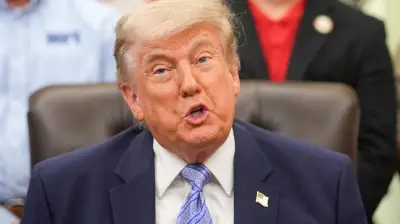
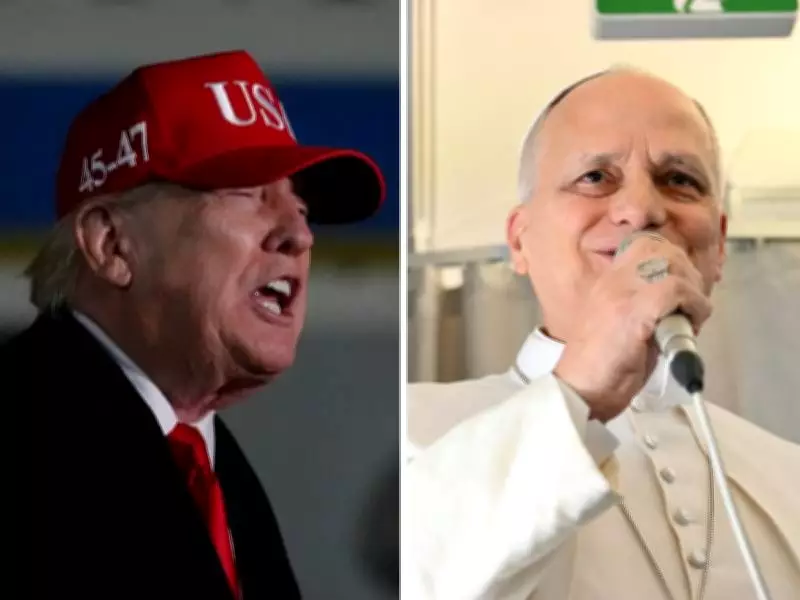
In a remarkable escalation of tensions, U.S. President Donald J. Trump and Pope Leo XIV have become embroiled in a very public and contentious disagreement regarding the ongoing conflict in Iran. This verbal battle, which has captured global attention, centers on nuclear weapons policy and the role of religious leadership in international affairs.
Social Media Sparks Diplomatic Firestorm
The conflict ignited when President Trump took to his Truth Social platform to launch a series of pointed criticisms against the pontiff. "Pope Leo is weak on Crime, and terrible for foreign policy," Trump declared in one post, adding, "I don't want a pope who thinks it's OK for Iran to have a Nuclear Weapon." These comments represented an unprecedented direct attack by a sitting U.S. president on the leader of the Catholic Church.
Trump further escalated the situation by suggesting that Pope Leo's election to the papacy was directly influenced by his own presidency. "If I wasn't in the White House, Leo wouldn't be in the Vatican," the president asserted, claiming the Catholic Church selected an American pope specifically to manage relations with his administration.

Papal Response and Defense of Gospel Message
Pope Leo, who was traveling to Africa at the time of Trump's comments, responded firmly from aboard the papal plane. "I have no fear of the Trump administration, or speaking out loudly of the message of the gospel," the pontiff stated, emphasizing his commitment to peacemaking principles over political considerations.
The Pope clarified his position, noting that while religious leaders approach foreign policy differently from politicians, they maintain a moral obligation to advocate for peace. "We are not politicians, we don't deal with foreign policy with the same perspective he might understand it," Leo explained, "but I do believe in the message of the gospel, as a peacemaker."
Broader Context of Iran Conflict
This extraordinary exchange occurs against the backdrop of heightened tensions in the Middle East. The United States has been leading efforts to blockade ships passing through the Strait of Hormuz that have paid tolls to Iranian authorities. Meanwhile, negotiations between American and Iranian officials recently collapsed, further complicating the diplomatic landscape.
Trump defended his earlier comments about Iranian "civilization" potentially facing destruction, arguing that such rhetoric brought Iranian officials to the negotiation table. However, the breakdown of talks has shifted media attention to the unprecedented presidential-papal confrontation.
Reactions from Catholic Leadership
Archbishop Paul S. Coakley, president of the U.S. Conference of Catholic Bishops, expressed disappointment with Trump's approach. "I am disheartened that the president chose to write such disparaging words about the Holy Father," Coakley stated. "Pope Leo is not his rival, nor is the Pope a politician. He is the Vicar of Christ who speaks from the truth of the Gospel and for the care of souls."
The archbishop's comments highlight the tension between political rhetoric and religious leadership that has characterized this unusual conflict.
Visual Elements and Social Media Warfare
The dispute extended beyond written words when Trump shared a controversial meme depicting himself in a Christ-like pose caring for a hospital patient, with demonic imagery in the background. Some observers criticized this visual as approaching blasphemy, noting that similar imagery targeting other religious figures would likely provoke stronger reactions.
Meanwhile, Pope Leo maintained his message of peace through official channels, tweeting: "God does not bless any conflict. Anyone who is a disciple of Christ, the Prince of Peace, is never on the side of those who once wielded the sword and today drop bombs."

Historical Precedents and Future Implications
While President Trump has frequently criticized various world leaders, media personalities, and institutions throughout his political career, targeting the Pope represents a new dimension in his approach to public discourse. The Catholic Church, with over one billion followers worldwide, now finds itself in the unusual position of defending its leader against presidential criticism.
This confrontation raises significant questions about:
- The appropriate boundaries between political and religious discourse
- The role of religious leaders in commenting on international conflicts
- The impact of social media on diplomatic relations
- The intersection of free speech and respect for religious institutions
As both leaders exercise their right to free expression, their exchange continues to reverberate through political and religious circles globally. The situation remains fluid, with potential implications for U.S.-Vatican relations and the broader international response to the Iran conflict.