Trump and Netanyahu Display Notable Rift Over Israel's Attack on Iranian Gas Field
The ongoing 20-day war against Iran has revealed a significant divergence between President Donald Trump and Israeli Prime Minister Benjamin Netanyahu, centered on Israel's decision to strike the critical South Pars gas field. This attack, which Iran retaliated against by targeting energy infrastructure in other Middle East nations, has driven global energy prices even higher and prompted Gulf allies to urge Trump to restrain Netanyahu.
Public Statements Highlight Strategic Differences
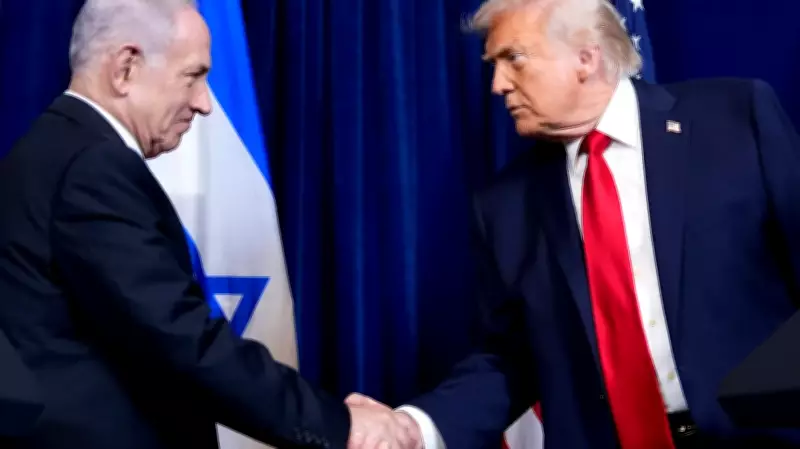
During an Oval Office meeting with Japanese Prime Minister Sanae Takaichi, Trump explicitly stated that he neither agreed with nor approved of Israel's assault on the world's largest gas field, a vital energy source for Iran. "I told him, 'Don't do that,'" Trump remarked regarding Netanyahu's choice to strike, emphasizing their coordination but noting occasional disagreements. In response, Netanyahu asserted that Israel "acted alone" and complied with Trump's request to halt further attacks on the gas field, while downplaying any perceived rift by highlighting their aligned views on Iran's threat.
Intelligence and Strategic Objectives Under Scrutiny
Trump's initial public reaction came via a fiery social media post declaring the U.S. "knew nothing" about the attack beforehand, though sources indicate the U.S. was informed in advance. U.S. intelligence chief Tulsi Gabbard pointed out that Trump's primary goal is preventing Iran from obtaining nuclear weapons, whereas Israel focuses on toppling the Islamic authority through high-level assassinations. Netanyahu views this conflict as a chance to establish a more moderate government in Tehran, supported by an Israeli public more favorable to the war than Americans.

Evolving War Goals and Future Implications
Trump has shifted from early optimism about overthrowing Iran's clerical rule to expressing caution, citing challenges like the paramilitary Basij force. Despite Netanyahu being a steadfast ally, Trump acknowledges natural differences due to geographical and strategic factors. Experts, such as former State Department official Joel Rubin, suggest that while current disagreements are superficial, prolonged conflict could increase political pressure on Trump and widen rifts, especially regarding global oil market impacts.
The emergence of daylight between these leaders could shape the conflict's balance and eventual resolution, with Trump likely having the final say on ending military operations.