Trudeau's Legacy Tax Continues to Drive Up Alcohol Costs Across Canada
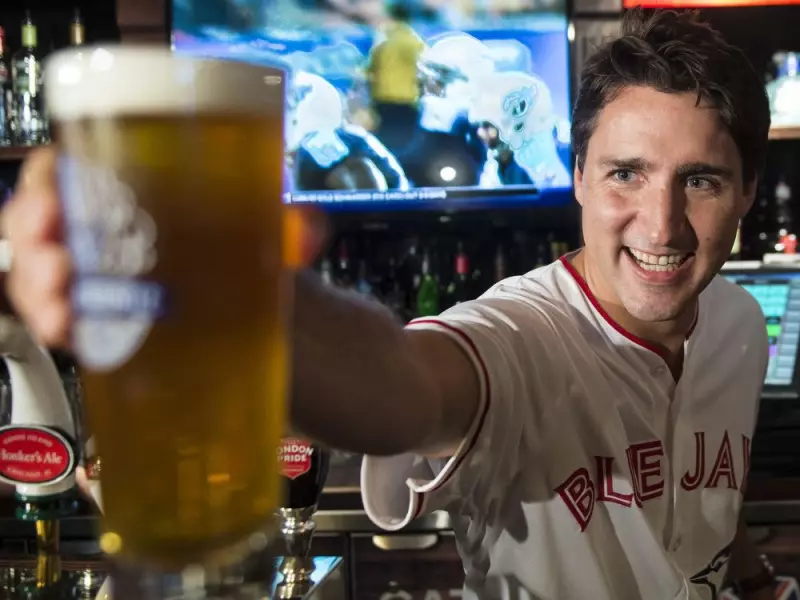
The political ghost of former Liberal Leader Justin Trudeau continues to haunt Canadian consumers through what critics are calling an "undemocratic tax grab." The alcohol escalator tax, implemented during Trudeau's tenure, remains in effect and continues to cause automatic price increases for beer, wine, and spirits across the country.
The Automatic Price Mechanism
Unlike traditional tax measures that require parliamentary debate and approval, the alcohol escalator tax functions on an automatic adjustment system. Each year, without any legislative discussion or public consultation, the tax rate increases in accordance with inflation. This mechanism ensures that alcohol prices rise consistently, regardless of economic conditions or consumer affordability concerns.
Sun columnist Jay Goldberg recently highlighted this ongoing issue, noting that the tax continues to impact Canadian households years after its implementation. The automatic nature of the increases means that consumers face higher costs at liquor stores and bars without the typical democratic oversight that accompanies most tax policy changes.

Consumer Impact and Political Debate
The tax has sparked renewed debate about taxation transparency and democratic accountability in Canadian governance. Critics argue that automatic tax increases represent a concerning precedent, removing important fiscal decisions from public discourse and parliamentary scrutiny.
Supporters of the measure point to its revenue generation capabilities and argue that automatic adjustments provide stability in government funding. However, the ongoing price increases continue to draw criticism from consumers who feel the burden of these automatic hikes without having their voices heard through traditional democratic channels.
The tax's persistence highlights how policy decisions from previous administrations can continue to shape consumer experiences long after political leadership changes. As alcohol prices continue their upward trajectory, the debate over taxation methods and democratic oversight remains relevant in Canadian political discourse.
Looking Forward
As Canadians navigate these automatic price increases, questions remain about the future of such taxation mechanisms. The ongoing impact of Trudeau-era policies serves as a reminder of how fiscal decisions can have lasting consequences for consumer markets and political accountability.
The discussion around the alcohol escalator tax continues to evolve, with some calling for greater transparency in how automatic adjustments are calculated and implemented. Whether this will lead to policy changes remains uncertain, but the conversation highlights important questions about taxation, consumer protection, and democratic governance in Canada.