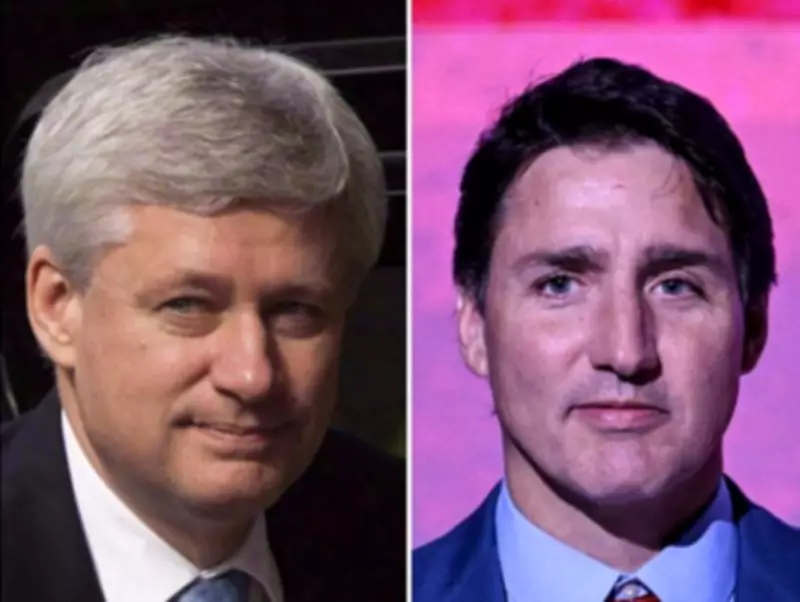
Canada's reopened Milan consulate is under scrutiny after records show the federal government spent nearly $5.5 million to reestablish a presence in northern Italy, a facility originally shuttered by the Stephen Harper government in 2007 as a cost-saving measure. The new consulate, which opened in 2023, has drawn criticism from the Canadian Taxpayers Federation (CTF) over its expenses, including hundreds of thousands of dollars on furnishings and artwork.
Background of the Consulate Closure and Reopening
The consulate in Milan was closed almost 20 years ago under the Harper administration to reduce costs. More than a decade later, former Prime Minister Justin Trudeau's government decided to resurrect the diplomatic post. The $5.5 million expenditure was revealed through parliamentary order questions posed by Ontario Conservative MP Vincent Ho earlier this year, providing the basis for the CTF's latest grievance against government spending.
Breakdown of Expenditures
Global Affairs Canada provided detailed figures on the costs. Among the most contentious expenses was nearly $400,000 spent on furnishing and decorating the new space, located in a glass-covered building at 11 Verziere Road in central Milan. The department allocated $59,000 for artwork, shipping, and display costs. Seven pieces were acquired, all created exclusively by Indigenous artisans, with an average price of $4,800 per piece.

Notable among the artworks is “Erased,” a pair of pink cowboy boots by artist Barry Ace, purchased for $18,000. The boots, sourced from a New York thrift shop, were “up-cycled” with floral beadwork and wire trail duster fringe. Ace and Heffel Galleries donated the proceeds to a charity benefiting people living with AIDS and HIV. According to an article on Ace's website, the work addresses his personal relationship to queer history and the impact of the pandemic on the queer community.
Other pieces include three textile works by Marcy Friesen, featuring traditional Indigenous headpieces made from dyed rabbit fur and sherpa, as well as a piece titled “Blueberry Patch,” a single orange mitten made of fur and cowhide with beadwork. Friesen also provided a photograph titled “Oh The Children,” listed for $2,000. Additional sculptures were created by Jamasee Pitseolak and Kellipalik Etidloie.
Reactions and Criticism
The CTF expressed particular concern over the $400,000 spent on furnishings and the $33,000 on artwork. Franco Terrazzano, CTF director, highlighted the expenses on social media, criticizing the purchase of items like pink cowboy boots and a mitten on a stick. The federation argues that such spending is excessive, especially given the consulate's original closure for fiscal reasons.
Global Affairs Canada defended the expenses, stating that the artwork showcases Canadian Indigenous culture and supports local artists. However, critics maintain that the costs are unjustifiable, particularly as the country faces significant debt and economic challenges.