Taiwan's government has stated that the United States has not officially notified it of any pause in a planned $14 billion arms sale, contrary to earlier reports suggesting a potential halt. The clarification came from Taiwan's Presidential Office, which emphasized that no formal communication regarding a suspension has been received from U.S. authorities.
Background on the Arms Deal
The arms package, valued at approximately $14 billion, includes advanced military equipment such as missiles, aircraft components, and naval systems. The sale is part of ongoing U.S. efforts to bolster Taiwan's self-defense capabilities amid rising tensions with China. The deal has been a focal point in U.S.-China relations, with Beijing repeatedly urging Washington to cease arms sales to Taiwan.
Taiwan's Response
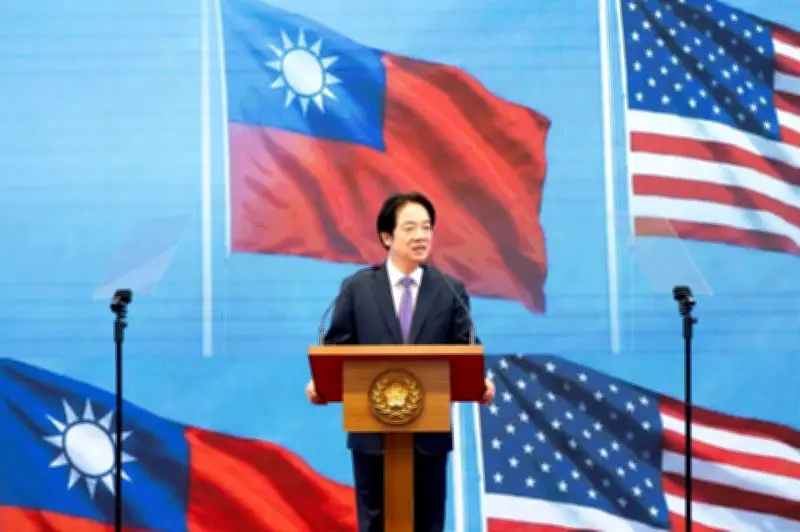
In a press conference on February 3, 2026, Taiwan's President Lai Ching-te addressed the issue, reaffirming the importance of the arms deal for national security. He stated that Taiwan remains committed to maintaining strong defense ties with the U.S. and expects the sale to proceed as planned.

The Presidential Office further noted that any changes to the agreement would be communicated through official diplomatic channels. As of now, no such notification has been received, and Taiwan continues to prepare for the delivery of the military equipment.
U.S. Position
While the U.S. has not publicly commented on the alleged pause, sources indicate that internal discussions may be ongoing regarding the timing and scope of the sale. However, no official decision to halt or delay the arms transfer has been announced.
The arms sale has been a contentious issue, with critics arguing that it provokes China and could destabilize the region. Proponents, however, maintain that it is essential for Taiwan's defense against potential aggression.
Regional Implications
The status of the arms deal remains a key factor in cross-strait relations. China has consistently opposed U.S. arms sales to Taiwan, viewing them as interference in its internal affairs. Any perceived pause in the sale could be interpreted as a diplomatic shift, though Taiwan's government insists that no such change has occurred.
As the situation develops, both Taiwan and the U.S. are expected to provide further clarifications. For now, Taiwan's stance is clear: the arms sale is on track, and no pause has been communicated.