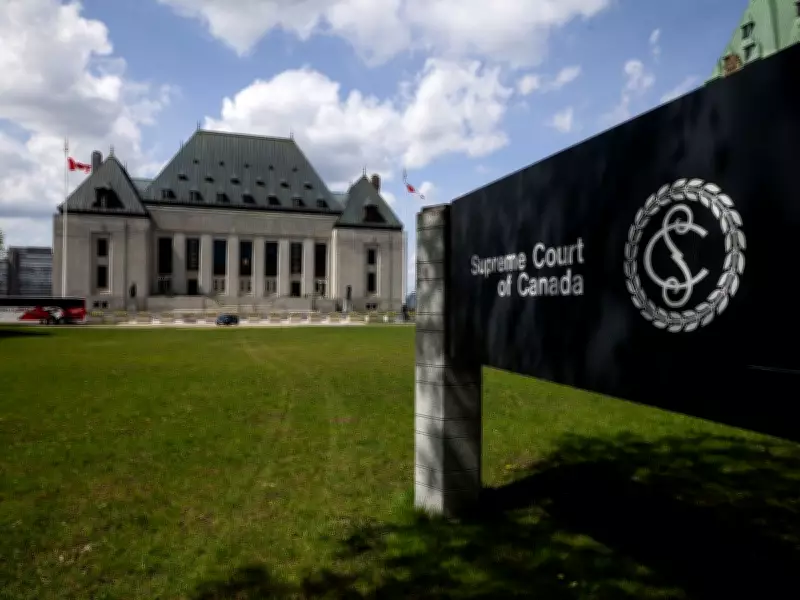
The Supreme Court of Canada has agreed to hear British Columbia's appeal of a provincial court decision that declared the Mineral Tenure Act inconsistent with the Declaration on the Rights of Indigenous Peoples Act (DRIPA). The December 2025 ruling by the B.C. Court of Appeals found that the Mineral Tenure Act violates DRIPA, potentially granting the Indigenous rights legislation the force of law. No hearing date has been set, and the Supreme Court provided no reasons for its decision to hear the appeal.
Background of the Case
The B.C. Court of Appeals, in a 2-1 decision, ruled that the Mineral Tenure Act is incompatible with DRIPA, which was enacted in 2019 to align provincial laws with the United Nations Declaration on the Rights of Indigenous Peoples. The decision has raised concerns about the scope of judicial authority in reconciliation processes. B.C. Premier David Eby warned that the ruling could place excessive power in the hands of judges, undermining the role of elected representatives in determining how reconciliation with First Nations should proceed.
“To be frank, it is absolutely crucial that it is British Columbians through their elected representatives that remain in control of this process, not the courts,” Eby stated after the December ruling. “Too much rides on it in terms of our province’s prosperity and certainty going forward.”

Impacts on Provincial Laws
Eby noted that at least 20 court cases have been amended to incorporate the decision, potentially jeopardizing other laws under DRIPA. The Mineral Tenure Act governs mineral rights and mining activities in the province. The appeals court ruling suggests that the act must be updated to include free, prior, and informed consent from Indigenous peoples, a key principle of DRIPA.
Gitxaała Chief Councillor Linda Innes disagreed with the premier's stance, arguing that the decision merely highlights the outdated nature of the Mineral Tenure Act. “We see that there are projects that are succeeding when nations are involved early under DRIPA principles, and DRIPA can definitely strengthen collaborative land use and resource planning,” Innes said. “It fails when government and industry refuse to implement it fully.”
Political Reactions and Shifts
Following the ruling, Eby initially sought to amend DRIPA to clarify the court's role but later switched to pursuing a suspension of the law after facing opposition from Indigenous leaders. He abandoned that plan in April when Vancouver-Strathcona MLA Joan Phillip informed him she would not support a suspension. Other MLAs also raised private concerns, prompting Eby to direct Attorney General Niki Sharma and Indigenous Relations Minister Spencer Chandra Herbert to work with First Nations over the summer to find a path forward.
B.C. Conservative interim leader Trevor Halford criticized the NDP government's handling of the issue, accusing Premier Eby of flip-flopping. “When it comes to flip-flopping, nobody has done that more, better, than this premier, than this NDP government,” Halford said during question period. “On a file as important as DRIPA, the premier has changed his position not once, not twice, not three times, not four times, not five times — six times in under four months.” Halford reiterated his party's call for a full repeal of DRIPA.
The Supreme Court's decision to hear the appeal will have significant implications for Indigenous rights and resource development in British Columbia and across Canada.