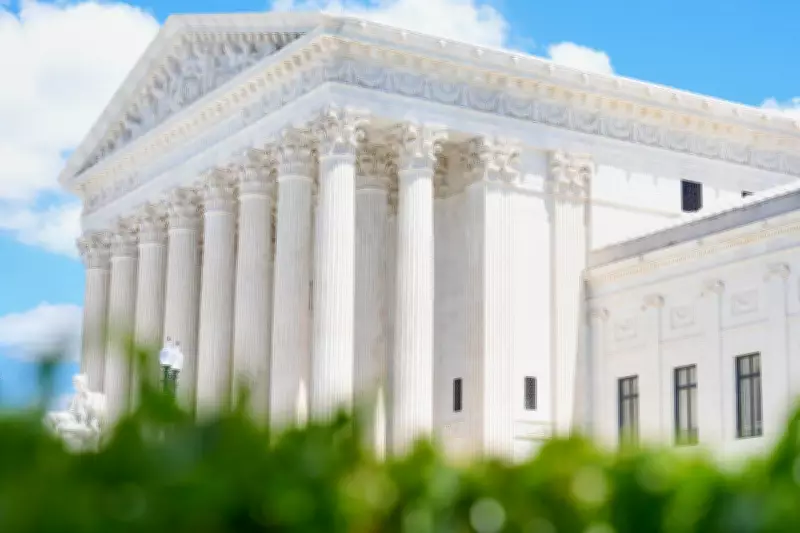
The U.S. Supreme Court on Friday rejected Virginia's bid to restore a congressional map that had been drawn to favor Democrats, dealing a blow to state Democrats who had sought to preserve the map for the upcoming elections. The high court declined to hear the state's appeal, effectively upholding a lower court ruling that the map was an unconstitutional partisan gerrymander.
Background of the Case
The dispute centered on Virginia's congressional districts, which were redrawn after the 2020 census. A federal court had struck down the map in 2025, ruling that it violated the Equal Protection Clause by diluting the voting strength of Republican voters. The state appealed, arguing that the map was a legitimate political gerrymander and not subject to judicial review. However, the Supreme Court's decision to deny certiorari leaves the lower court's ruling in place.
Impact on Elections
With the Supreme Court's refusal, Virginia must now adopt a new map for the 2026 midterm elections. The state legislature is expected to convene a special session to draw new districts, which could shift the balance of power in the state's congressional delegation. Republicans, who were disadvantaged under the previous map, have welcomed the decision, while Democrats have expressed disappointment.

The ruling is the latest in a series of Supreme Court decisions on gerrymandering. In 2019, the Court ruled that federal courts cannot adjudicate partisan gerrymandering claims, but left the door open for state courts to intervene. The Virginia case was brought under the state constitution, which the lower court found prohibited extreme partisan gerrymandering.
Legal experts expect the decision to have broader implications for redistricting battles across the country. The Supreme Court's refusal to hear the case reinforces the role of state courts in policing partisan gerrymandering, a trend that could shape electoral maps for years to come.