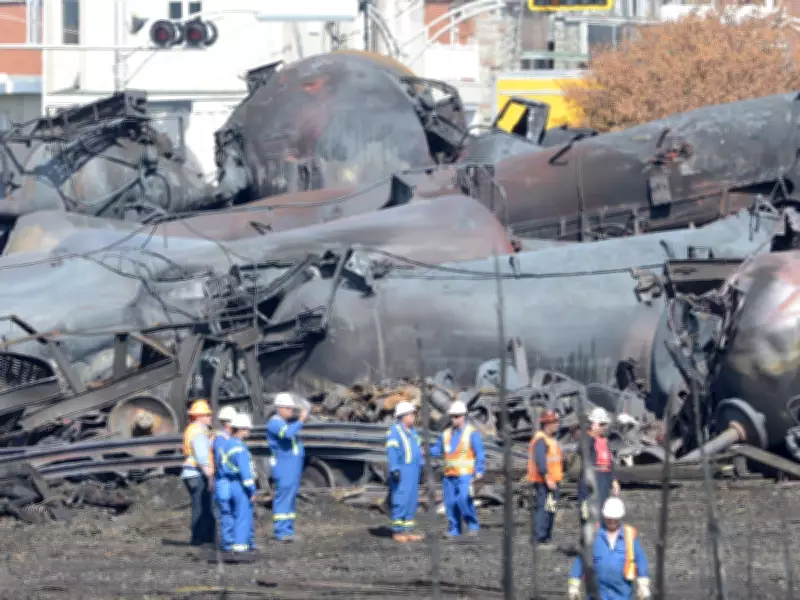
The Supreme Court of Canada has refused to hear an appeal seeking to hold Canadian Pacific Railway liable for the catastrophic 2013 train derailment in Lac-Mégantic, Quebec, effectively ending legal efforts to pin responsibility on the railway company for the disaster that killed 47 people.
Background of the Tragedy
On July 6, 2013, a runaway train carrying crude oil derailed in the heart of Lac-Mégantic, causing multiple explosions and a massive fire that destroyed much of the town's center. The disaster remains one of the deadliest rail accidents in Canadian history.
The train was operated by Montreal, Maine & Atlantic Railway (MMA), which later declared bankruptcy. Victims and their families sought to hold CP Rail liable, arguing that the company negligently allowed MMA to use its tracks and that its actions contributed to the accident.

Legal Proceedings
The case wound through Quebec courts, with lower courts ruling against the plaintiffs. The Quebec Court of Appeal upheld that decision, stating that CP Rail did not owe a duty of care to the victims and that the derailment was caused by MMA's failure to properly secure the train.
Plaintiffs appealed to the Supreme Court of Canada, but on May 14, 2026, the court announced it would not hear the case, letting the lower court rulings stand.
Reactions
Lawyers for the victims expressed disappointment, noting that the decision leaves families without compensation from CP Rail. CP Rail welcomed the ruling, stating it had always maintained its innocence.
The decision underscores the legal complexities of assigning liability in catastrophic events involving multiple parties. The victims had previously reached settlements with other defendants, including MMA's insurers and the Canadian government.
Broader Implications
The Supreme Court's refusal sets a precedent that may limit future claims against railway companies for accidents involving third-party operators. It also highlights the challenges victims face in seeking justice after large-scale industrial disasters.
The Lac-Mégantic tragedy prompted significant regulatory changes, including stricter rules for transporting dangerous goods by rail and enhanced safety requirements for train crews.