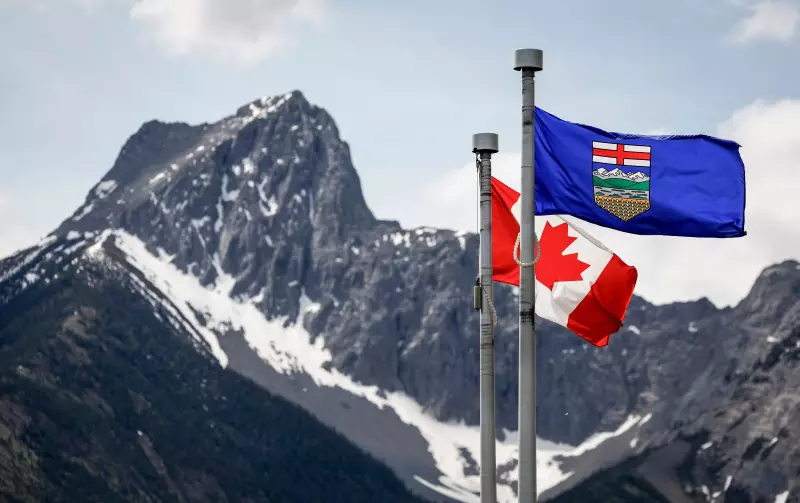
Separatist Sentiment Resurfaces in Alberta and Quebec as Ottawa Urges Unity
In a development that echoes historical tensions within the Canadian federation, separatist sentiment is gaining renewed traction in both Alberta and Quebec. This resurgence comes at a time when the federal government in Ottawa is actively promoting national unity, highlighting a deepening political divide that could have significant implications for the country's future.
Alberta Separation Petition Gains Momentum
A petition advocating for Alberta to separate from the rest of Canada is rapidly gaining momentum, driven by growing discontent among some residents who feel neglected by the federal government. The movement, which has seen a surge in support in recent weeks, reflects long-standing grievances over issues such as economic policies, resource management, and perceived lack of representation in national decision-making.
Notably, the petition has garnered attention from high-profile figures, including singer Paul Brandt, who has publicly teased his support for the Alberta separatist movement. This endorsement adds a cultural dimension to the political push, potentially broadening its appeal among diverse segments of the population.

Quebec Sovereignty Movement Reawakens
Simultaneously, Quebec's sovereignty movement is experiencing a resurgence, with renewed calls for independence or greater autonomy from the federal government. This revival is fueled by similar sentiments of disenfranchisement and a desire for self-determination, echoing the province's historical struggles for recognition within the Canadian confederation.
The timing of this resurgence is particularly poignant, as it coincides with Ottawa's efforts to bolster national unity through initiatives like the recent boost to the GST credit, unveiled as Parliament resumes. However, these measures appear to be doing little to quell the separatist fervor in either province, suggesting a deeper rift that may require more substantive political engagement.
Federal Government's Response and Broader Context
In response to these developments, the federal government has reiterated its commitment to unity, urging Canadians to come together amid these challenges. However, critics argue that Ottawa's approach may be insufficient to address the root causes of separatist sentiment, which include economic disparities, cultural differences, and political alienation.
The resurgence of separatism in Alberta and Quebec occurs against a backdrop of other national issues, such as economic pressures, environmental concerns, and social unrest. For instance, tensions have mounted as former U.S. President Donald Trump threatens Canada with additional tariffs, while domestic challenges like affordability and sovereignty are expected to dominate parliamentary debates.
Moreover, this political climate is compounded by broader societal trends, including a reported decline in public trust in institutions, as highlighted by the Winnipeg mayor's comments on the Bostock case. Such factors may further fuel separatist movements by eroding confidence in federal governance.
Implications for Canadian Federation
The renewed separatist sentiment in Alberta and Quebec poses a significant test for the Canadian federation, raising questions about the country's cohesion and future direction. If left unaddressed, these movements could lead to increased political instability, economic uncertainty, and social fragmentation.
Experts warn that the federal government must engage in meaningful dialogue with the provinces to address their concerns, rather than relying solely on symbolic gestures. This may involve revisiting policies on resource sharing, fiscal arrangements, and constitutional matters to foster a more inclusive and responsive federation.
As the situation evolves, Canadians across the country will be watching closely to see how these separatist movements develop and how Ottawa responds. The outcome could shape the nation's political landscape for years to come, making this a critical moment in Canadian history.