CALGARY — Whenever a practical question arises of how an independent Alberta would work, a lot of separatists tend to respond by accusing the other side of “fear-mongering.” In fact, the source of any fear is the separatists themselves. A largely disorganized group of activists, with zero democratic legitimacy, suddenly discussing, on the regular, a “unilateral declaration of independence,” or as it is known in the Criminal Code, sedition, does not exactly spell calm, confident and trustworthy. Here’s the thing: it is scary, and pointing that out is hardly fear-mongering.
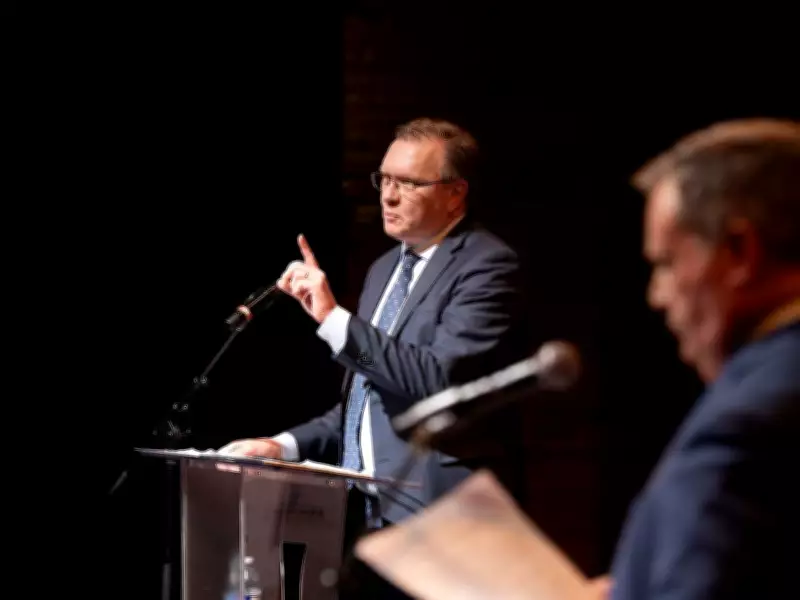
At a debate on Alberta independence put on by the Aristotle Foundation in downtown Calgary earlier this week, former premier and staunch federalist Jason Kenney pointed out just how complicated separatism would be. A successful leave vote would, theoretically, begin “complicated multi-year negotiations over everything from currency to citizenship to debt allocation to CPP to how to build a military to how to get access to trade agreements in Canada and around the world.”
It would take “constructive relations with Alberta First Nations” and turn them “upside down,” he added. Kenney even warned of an Oka-style land dispute on all 47 First Nations in the province.

As there is no right to separation in the Constitution, a constitutional amendment would be required for Alberta to leave lawfully. That means, very likely, all 10 provinces, as well as the federal Parliament, would have to agree to any secession deal. That could mean a referendum in each individual province on whether to accept Alberta leaving, or a nationwide referendum, or both. It could mean multiple elections in Alberta, followed by multiple referendums on various versions of a deal. It would not be a straightforward process.
In the extremely likely event that negotiations failed, a separatist government may choose to declare independence unilaterally and unlawfully. When Kenney raised this possibility as a warning during the debate, separatists in the audience cheered enthusiastically. “I heard a big cheer for unilateral declaration of independence. The next day, Ottawa cancels your Canadian passport. Good luck getting into the United States,” he quipped.
After such a declaration, Kenney said, there’d be no guarantee that Albertans would retain their Canadian passports, no guarantee of maintaining the same access to the U.S. market to sell oil and gas, as many pipelines run through other provinces, no guarantee of the needed aviation agreements for international flights to be recognized, no guarantee of anything, really, that we have come to expect from living within Canada.
None of this is hyperbole. Severing a state after 159 years of evolution, integration and growth won’t be like flipping a switch.
And yet, when Kenney raised these concerns, his opponent, lawyer Keith Wilson, responded with “you’re hearing a lot of fear,” or “all the other side’s got is fear,” or he complained about the “the fear-mongering about businesses,” and so on.