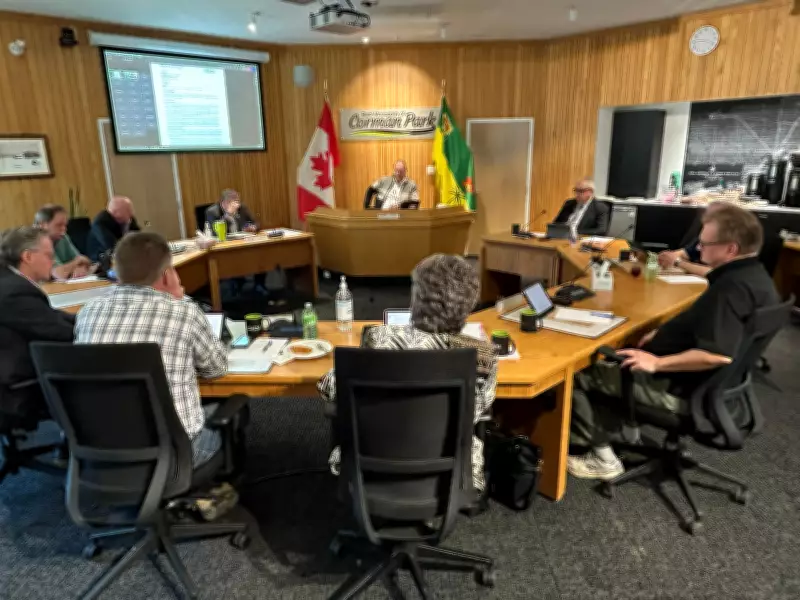
The Rural Municipality of Corman Park council is exploring the possibility of withdrawing from the Saskatoon North Partnership for Growth (P4G), following Saskatchewan's historic transfer of development authority to the municipality. The decision marks a significant shift in regional planning dynamics.
Background of the Development Authority Transfer
The provincial government granted Corman Park unprecedented control over local development decisions, a move that could reshape growth patterns in the Saskatoon region. The authority allows the rural municipality to independently manage land use and infrastructure projects without direct oversight from the city.
Council members are now weighing the benefits of staying in the P4G partnership against the newfound autonomy. The partnership was originally designed to coordinate growth across Saskatoon and surrounding areas, but some officials argue that the new authority makes the agreement redundant.

Implications for Regional Planning
Leaving P4G could lead to fragmented development, with Corman Park pursuing its own priorities. Critics worry this might strain relations with Saskatoon and complicate regional services like transportation and utilities. However, supporters believe it will streamline decision-making and attract investment.
The transfer of authority comes amid broader provincial efforts to decentralize planning. Saskatchewan has signaled it may also reconsider its daylight time policy, following Alberta's lead.
As Corman Park deliberates, stakeholders are watching closely. The outcome could set a precedent for other rural municipalities seeking greater control over their growth.