Russia's prison population has fallen by 180,000 since the start of the war in Ukraine, according to recent data. The decline is linked to a combination of factors, including mass pardons, recruitment of inmates for military service, and a reduction in crime reporting during the ongoing conflict.
Sharp Decline in Inmate Numbers
The Federal Penitentiary Service reported that as of early 2026, the number of prisoners in Russia stood at approximately 420,000, down from 600,000 in February 2022. This represents a 30% drop over four years. Analysts attribute the decrease to several wartime policies.
Pardons and Recruitment
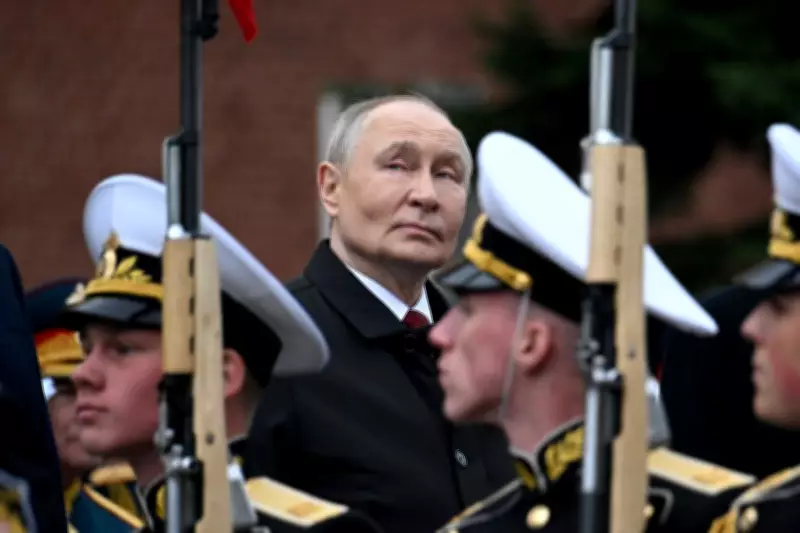
President Vladimir Putin has issued multiple decrees pardoning prisoners, particularly those convicted of non-violent crimes, in exchange for enlistment in the Russian military. Thousands of inmates have been recruited to fight in Ukraine, with promises of sentence reductions or full pardons upon completion of service.

Additionally, the government has offered amnesty to elderly prisoners and those with health conditions, further reducing the prison population. Human rights groups have criticized these practices, arguing they exploit vulnerable individuals.
Underreporting of Crimes
Another factor is the significant drop in crime reporting since the war began. Many citizens, especially in regions near the front lines, are reluctant to report crimes due to the chaos of war, displacement, and distrust of authorities. This has led to fewer arrests and convictions.
Official statistics show a 25% decline in reported crimes in 2023 compared to pre-war levels, with violent crimes and thefts seeing the largest decreases. However, independent observers suggest that actual crime rates may be higher, as many incidents go unrecorded.
Impact on the Justice System
The decline in prison population has eased overcrowding in Russian prisons, which had been a longstanding issue. However, it has also raised concerns about the rule of law. Legal experts warn that the use of pardons for military recruitment undermines judicial independence and sets a dangerous precedent.
Moreover, the reduction in crime reporting has led to a backlog of unsolved cases and a lack of accountability for offenders. The justice system is struggling to adapt to the wartime environment, with many courts operating at reduced capacity.
International Reaction
International human rights organizations have condemned Russia's practices, calling them a violation of due process. The United Nations has expressed concern over the recruitment of prisoners for combat roles, which is prohibited under international humanitarian law.
Russia has defended its actions, stating that the measures are necessary for national security and that prisoners have volunteered for service. The government has also highlighted the benefits of reduced prison overcrowding and lower incarceration costs.
Future Outlook
As the war continues, the prison population is expected to remain low. However, if the conflict ends, there may be a surge in new inmates as normalcy returns and crime reporting increases. The justice system will need to rebuild capacity and address the backlog of cases.
For now, the dramatic drop in Russia's prison population stands as a stark indicator of the war's profound impact on every aspect of Russian society.