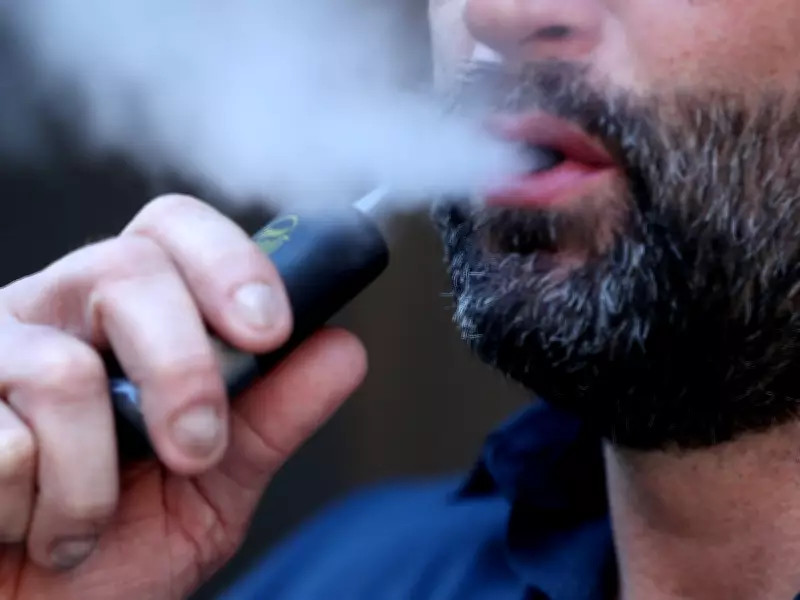
The arrival of warm weather in Montreal has brought the gradual return of restaurant, bar, and café patios to city sidewalks and asphalt. After a six-month winter, residents eagerly embrace the opportunity to enjoy a brew, a glass of wine, or a coffee in outdoor spaces. Patrons engage in people-watching and discuss the playoff prospects of the Montreal Canadiens, while Torontonians similarly lament the Maple Leafs' fortunes.
Alcohol serves as a social lubricant, dulling the brain and firing the spirit. As conversations flow, patrons order another round, and the atmosphere becomes animated. Such behaviour conforms to social norms, with little government regulation on the alcohol content of Belgian beer, wine flavours, or the peatiness of single malts.
Internal Costs and External Effects
This scene exemplifies what economists call internalities and externalities. Internalities are acts that affect only oneself, while externalities affect others. Over-imbibing patrons may harm their livers and suffer headaches the next day. However, bar patrons can also be noisy, rowdy, and aggressive, creating externalities. These are tolerated as rites of summer in Canada, where individual rights to drink are not overridden by the potential negative effects.

Another individual right sees people driving gas-guzzlers near sidewalk patios, emitting toxins as they cruise along crowded boulevards. Yet, when it comes to vaping, all bets are off. Regulators almost universally place vapes in the same category as combustible cigarettes, banning their use in these spaces without good cause. The nanny state proclaims concern for humanity while ignoring the dangers of its own actions.
Vaping vs. Combustible Cigarettes
What are the internalities and externalities of tobacco substitutes? Where do the rights of the state begin and end? In terms of internalities, although drugs and stimulants should be consumed in moderation, the U.K.'s Royal College of Physicians has stated for almost two decades that vapes involve at most five per cent of the risk of combustibles. Other respected medical and public health bodies agree. Researchers from Canada's Centre for Addiction and Mental Health place the danger of vaping at a small fraction of the danger of alcohol.
Thus, internalities do not justify heavy-handed regulation of vaping. As for externalities, non-vapers sitting nearby have little to worry about. The volume of ambient vapour is about 15 per cent of that from a cigarette, because cigarette smoke is 85 per cent side-stream, spreading directly from the cigarette without being inhaled. In contrast, e-cigarettes produce zero side-stream vapour. Exhaled vapour contains a minute fraction of the toxins in smoke, making the danger of sitting next to a vaper likely about one per cent that of sitting next to a smoker.
Given these facts, the current regulatory approach appears inconsistent and overly restrictive, prioritizing prohibition over individual rights and scientific evidence.