In a stark analysis, Jonah Goldberg confronts the undeniable reality that the United States is actively engaged in a war with Iran, despite political rhetoric attempting to obscure this fact. The evidence is overwhelming, with U.S. forces, in collaboration with Israel, executing significant military strikes that have decimated Iran's leadership and military capabilities.
The Evidence of War
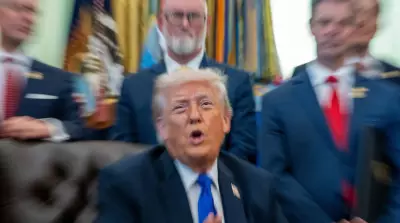
Goldberg points to televised reports and official statements as proof of the conflict. President Donald Trump has publicly declared war on Iran, launching Operation Epic Fury and demanding unconditional surrender from the Iranian regime. Daily references from officials like Pete Hegseth, who labels the situation a war, further cement this reality. Military actions include the killing of Iran's supreme leader, the sinking of its navy, and the destruction of air force assets, alongside thousands of bombings across the region.
Political Denials and Legal Maneuvering
However, a chorus of Republican legislators insists on avoiding the term "war." House Speaker Mike Johnson, Florida Representative Brian Mast, and others argue that the operations are merely combat actions or strategic strikes, not a formal war. Goldberg dismisses these claims as legalistic evasions, noting that similar logic could apply to historical events like Pearl Harbor, which was undeniably an act of war.

The core issue, according to Goldberg, lies in the War Powers Resolution of 1973. This legislation allows presidents to initiate military action without congressional approval for up to 60 days, after which they must seek consent to continue. Republicans, reluctant to challenge Trump, exploit this loophole to avoid taking responsibility for declaring war, as mandated by the Constitution. This tactic enables prolonged hostilities without formal acknowledgment, fueling public confusion.
Ironies and Political Pressures
Trump's previous stance against "forever wars" adds irony to the situation, as his administration now engages in a conflict that could be justified under the Authorization to Use Military Force from 2001, linking it to past Middle East engagements. Polling indicates limited public appetite for a prolonged war, putting pressure on Republicans to frame the conflict as short and manageable. Goldberg warns that Iran may capitalize on this political impatience, aiming to outlast U.S. bombings until domestic support wanes.
Ultimately, Goldberg concludes that the refusal to call the conflict a war is a strategic and political maneuver, undermining transparency and constitutional principles. The reality of war persists, regardless of the labels applied by lawmakers.