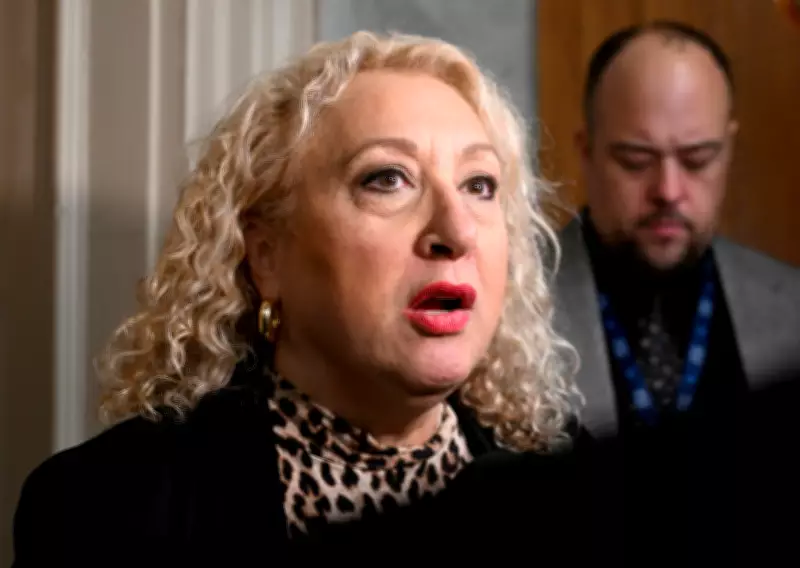
Quebec's anti-corruption unit has met with former Liberal Member of the National Assembly (MNA) Sona Lakhoyan-Olivier, according to sources familiar with the matter. The meeting, which took place recently, is part of an ongoing investigation into allegations that led to her expulsion from the Liberal caucus in December 2025.
Background of the Case
Lakhoyan-Olivier was expelled from the Liberal caucus on December 4, 2025, pending the results of an investigation by the National Assembly's ethics commissioner. The exact nature of the allegations has not been publicly disclosed, but they are believed to involve potential breaches of ethical conduct during her tenure as an MNA.
The former MNA has maintained her innocence and has continued to sit as an independent member in the legislature. Her meeting with the anti-corruption unit, known as UPAC (Unite permanente anticorruption), signals that the investigation is progressing and may involve more than just the ethics commissioner's review.

Political Implications
This development has stirred political debate in Quebec. Opposition parties have called for transparency and a thorough investigation, while the Liberal Party has distanced itself from Lakhoyan-Olivier, emphasizing that her expulsion was necessary to maintain integrity within the caucus.
Premier Francois Legault's government has faced pressure to address corruption and ethical lapses among elected officials. The meeting between UPAC and Lakhoyan-Olivier could lead to further legal or political consequences, depending on the findings.
What's Next?
As the ethics commissioner and UPAC continue their respective inquiries, Lakhoyan-Olivier remains an independent MNA. She has not commented publicly on the meeting with UPAC. The outcome of these investigations could impact her political future and potentially trigger a by-election if she resigns or is removed from office.
Observers note that this case highlights the ongoing challenges Quebec faces in ensuring accountability among its elected officials. The anti-corruption unit's involvement suggests that the allegations may extend beyond mere ethical breaches into potential legal violations.