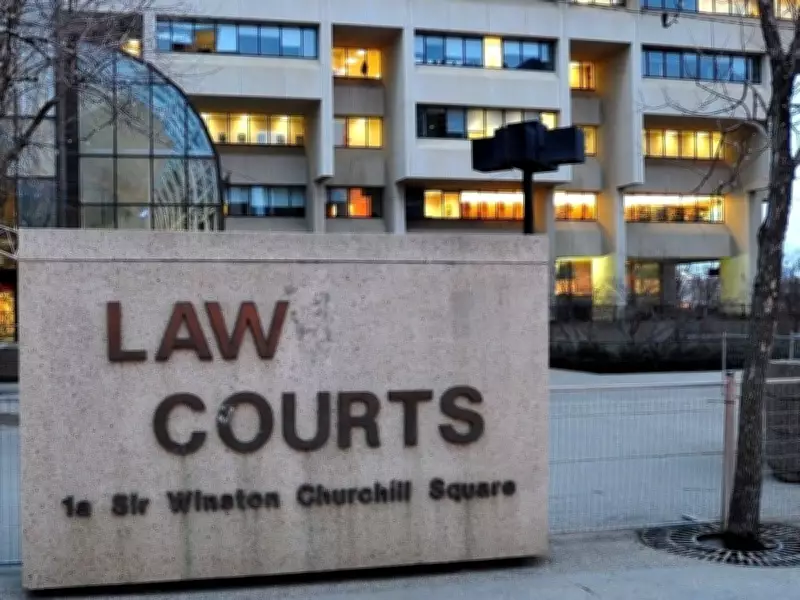
Before delving into the substance of Justice Shaina Leonard's decision to quash a petition that would have forced a referendum this fall on whether Alberta should separate from Canada, her position underscores why it was so perilous for the Centurion Project, a separatist organization unaffiliated with the petitioners, to release the confidential provincial electors' list to the public.
Justice Leonard's personal information is almost certainly on that list. What if someone angered by her decision decides to locate her residence and harass her and her family, or worse? If you have questioned why the release of the list by the Republican Party of Alberta to the Centurion Project was a significant issue, here is a perfect example.
Returning to her decision: It would have been preferable if Leonard had allowed the petition to proceed. If it had advanced to a referendum in the fall, which now seems highly unlikely, the separatists would have lost, and their momentum would have dissipated for several years. Who knows, perhaps such a defeat might have compelled the separatists to adopt a more mature approach to independence: form a party, raise funds, field candidates in a provincial election, and potentially win government. That is the most reliable way for the separatist cause to gain the legitimacy needed to force Ottawa to negotiate with Alberta if a separatist referendum succeeds.

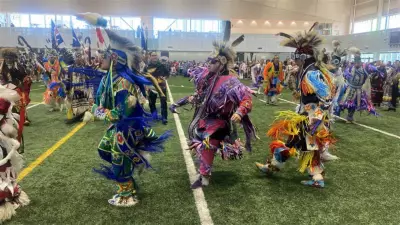
However, judges are not meant to make politically expedient decisions; they are meant to make legal ones. And I believe Leonard erred in the law. How can anyone, First Nations or otherwise, have a right to be consulted about whether they approve of a referendum before a vote has even been held? Yes, Section 35 of the Charter grants First Nations a right to be consulted, but it does not afford them a preemptive veto over the legality of a bill or a referendum.
Section 15 of the Charter protects the rights of Canadians based on their race, national or ethnic origin, colour, religion, sex, age, or mental/physical disability. Over time, that list has been extended to include marital status and sexual orientation or gender. Should Alberta's Chief Electoral Officer also have been required, before approving the petition, to consult with people of colour, immigrants, women, seniors, and the mentally ill?
In her reaction to Leonard's decision, Premier Danielle Smith called the ruling anti-democratic, which it almost certainly is. Even before a referendum has been approved, much less voted on, it is struck down because First Nations, who make up less than seven percent of the province's population, were allowed to decide whether it should proceed.