Homelessness in Edmonton has escalated into a humanitarian disaster, with nearly 4,000 individuals lacking permanent housing and enduring deplorable living conditions on the streets. The city's unhoused population doubled following the pandemic, driven primarily by sharp rent increases and evictions. Emergency room visits, frostbite amputations, and deaths among the homeless have also surged, with approximately 300 unhoused people dying annually on Edmonton's streets.
City's response: crackdowns on the homeless
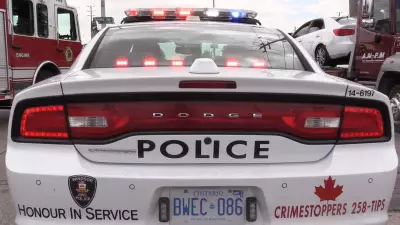
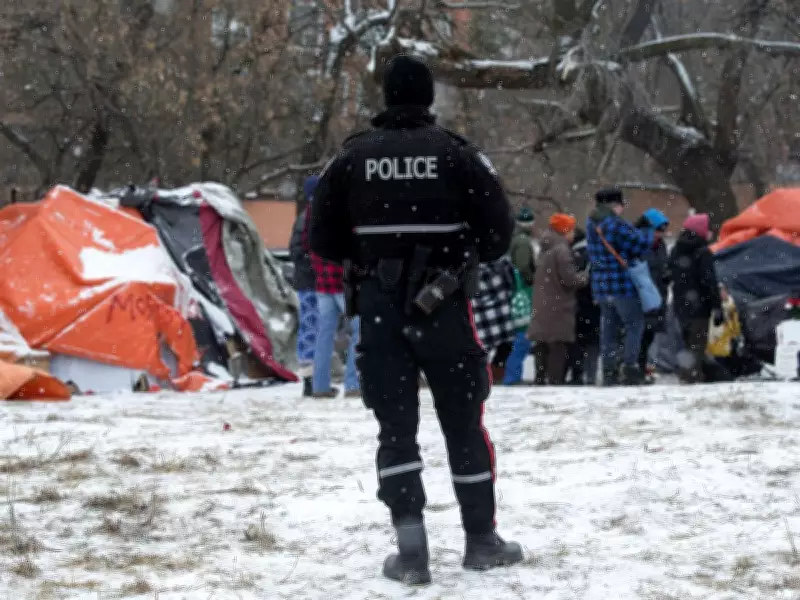
In response to this crisis, the city has adopted a strategy of cracking down on homeless individuals. The Edmonton Police Service (EPS) has become significantly more aggressive in dismantling homeless encampments since the pandemic, culminating in 2024 with 9,500 encampment sweeps. These operations leave hundreds of people without shelter, even during harsh winters, reportedly leading to more frostbite amputations. The federal housing advocate has declared these evictions a violation of human rights.
Encampment sweeps and their consequences
EPS encourages campers to visit emergency shelters, but the lack of dignified sleeping space, coupled with outbreaks of disease, violence, and theft, deters many from using them. Moreover, emergency shelters are temporary by design, requiring visitors to eventually find alternative shelter. Camping remains one of the few ways for unhoused people to access consistent shelter and live on their own terms.

Housing policy experts warn that encampment sweeps impede residents' abilities to secure permanent housing by forcing them into a daily struggle for security, shelter, and food, making it impossible to focus on long-term solutions to end homelessness. Sweeps often result in the confiscation or destruction of valuable possessions and strip away privacy for activities such as relieving oneself, changing clothes, sleeping, or being intoxicated without exposure or criminalization.
Transit ticketing as a carceral tool
Another element of the city's carceral strategy is transit ticketing. The number of transit tickets issued skyrocketed after the pandemic, primarily targeting people with no fixed address. In 2024, transit peace officers handed out nearly 6,000 trespassing tickets, with 90 percent going to unhoused individuals. Public transit serves as a lifeline for the homeless community, offering essential shelter and transportation. Ticketing them in such a safe haven not only burdens their path to permanent housing with additional financial and legal obstacles but also reinforces the notion that they have no freedom to exist anywhere. In Edmonton, being poor and desperately seeking shelter is treated as a crime.
The cycle of homelessness and imprisonment
Encampment sweeps, ticketing, and other police confrontations lead to more arrests and imprisonment. Criminal records create barriers to permanent housing, perpetuating the well-documented revolving door between prisons and homelessness. Former prisoners are often brought to the downtown core for support services, but due to Edmonton's ineffective housing services, many remain homeless and end up back in prison.