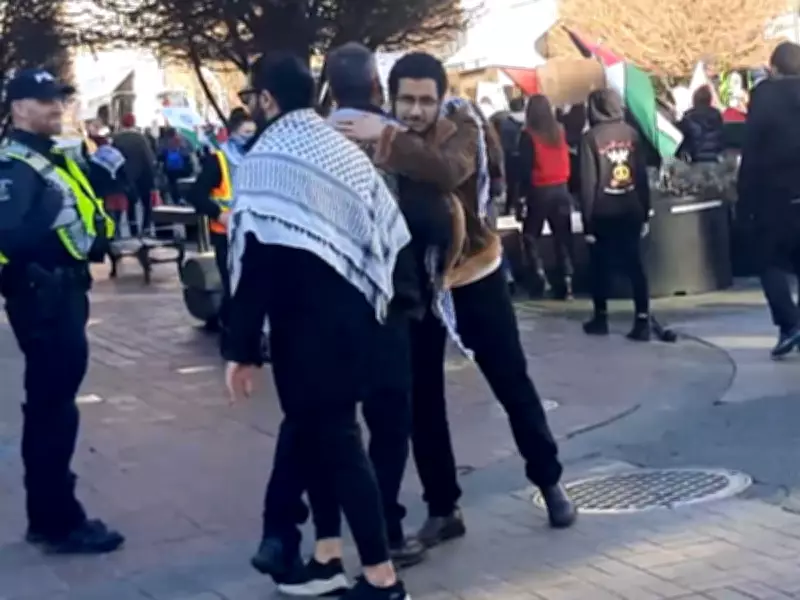
Victoria Police Appeal to Anti-Israel Protesters to Halt Road Blockades After Over Two Years
In a significant development, Victoria Police have formally requested that anti-Israel demonstrators discontinue their weekly practice of illegally blocking roads in the city's core. This appeal comes after more than two years of protests, during which police have dedicated substantial resources to managing the marches.
Police Cite Unsustainable Strain on Resources
The Victoria Police Department announced on Wednesday that they would no longer provide traffic control and related police support for the Saturday demonstrations. In a public statement, authorities highlighted the "unsustainable strain" on officers, noting that over 10,000 hours have been spent on these protests across 126 weeks.
"After 126 weeks and 10,000 hours of support, VicPD is asking that protesters peacefully conclude the marching portion of their weekly Palestine demonstrations," the police statement read. They strongly encouraged organizers to confine their activities to the safer, more controlled environment of the B.C. Parliament buildings' lawn, a common practice for other protests in Victoria.

Protest Organizers Defiantly Reject Police Request
However, within hours of the police announcement, protest organizers from the group Coast Salish to Palestine issued a firm refusal. In a statement posted on their Instagram page, they declared, "We will not stop marching. We will not stop until the Canadian state completely ends its complicity in apartheid, war crimes, and genocide in occupied Palestine."
This response underscores the ongoing tension between law enforcement efforts to maintain public order and the protesters' commitment to their cause. The demonstrations, which often feature participants wearing keffiyehs, have been a regular fixture in Victoria, drawing attention to international issues while disrupting local traffic.
Background and Implications
The protests have been a focal point in the B.C. capital for over two years, with police previously providing escorts and managing road closures. The shift in police policy reflects growing concerns about resource allocation and public safety. As the situation evolves, it highlights broader debates in Canadian politics regarding:
- Protest rights and public order: Balancing freedom of expression with community safety.
- Police resource management: Addressing the strain on local law enforcement from prolonged demonstrations.
- International activism: How domestic protests intersect with global conflicts and government policies.
This standoff between Victoria Police and anti-Israel protesters is likely to continue, with both sides holding firm to their positions. The outcome may set precedents for how similar demonstrations are handled across Canada in the future.