Conservative Ideas Gaining Traction in Liberal Government Agenda
In a surprising political development, Prime Minister Mark Carney's Liberal government appears to be implementing policy initiatives that closely mirror those championed by Conservative leader Pierre Poilievre. This trend raises significant questions about the direction of Canadian governance and whether Conservative ideas are becoming mainstream despite the party's electoral defeat.
From Campaign Slogans to Government Policy
During the recent federal election, Pierre Poilievre made "Axe the Tax" his central campaign mantra, targeting the consumer carbon tax that had been a cornerstone of Justin Trudeau's environmental policy. Remarkably, one of Mark Carney's first major policy decisions upon taking office was to eliminate this very tax, though critics note carbon pricing mechanisms remain embedded in other areas of government policy.
This reversal represents a significant departure from previous Liberal positions, particularly those of former Environment Minister Steven Guilbeault, who had championed carbon pricing as essential to Canada's climate strategy. The move suggests Poilievre's assessment of public sentiment may have been more accurate than his opponents acknowledged during the campaign.

Multiple Policy Areas Showing Conservative Influence
The carbon tax represents just one area where Conservative proposals appear to be shaping government action. Several other key policy domains demonstrate similar patterns of influence:
- Immigration Reform: Poilievre repeatedly warned that Liberal immigration policies were "unsustainable" during the election campaign. Carney's introduction of the Safe Borders Act echoes this language and addresses similar concerns about border management and refugee processing.
- Defense Spending: Conservative promises to increase military funding have materialized under Carney's leadership, reversing previous Liberal positions that suggested veterans were asking for more than the government could provide. Poilievre's recent proposals to redirect military spending from administration to frontline capabilities and establish northern bases may further influence future defense policy.
- Tax Policy: The Conservative pledge to cancel capital gains tax increases has been implemented by the Carney government. Poilievre's more recent proposal to eliminate capital gains taxes on reinvested Canadian funds may represent the next frontier of this policy convergence.
- Energy Infrastructure: While Trudeau and Guilbeault opposed pipeline development, Carney has explicitly stated support for pipeline construction. Similarly, the Liberal government has paused its electric vehicle mandate following Poilievre's campaign against the policy.
- Criminal Justice: Poilievre's "Jail, not bail" slogan resonated with many Canadians concerned about public safety. Carney has proposed legislation to toughen crime policies, representing another area where Conservative ideas appear to be gaining traction.
Political Implications and Public Perception
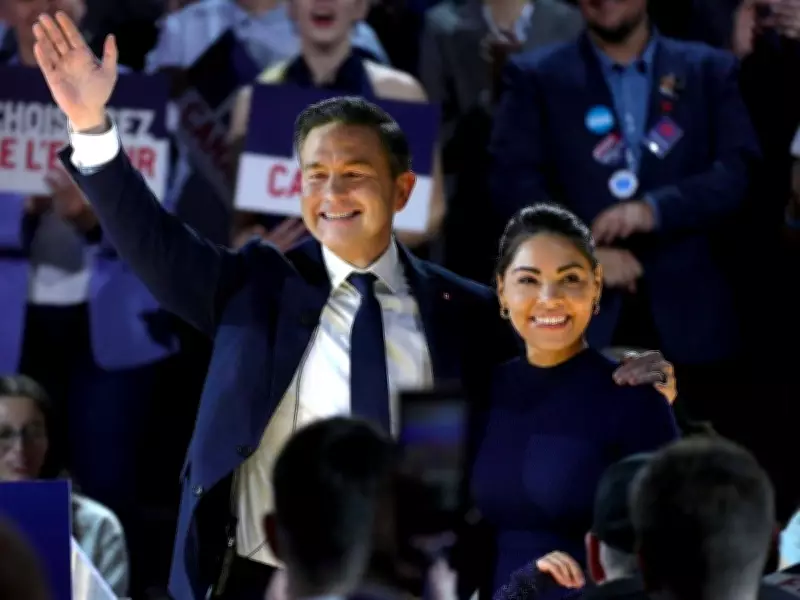
This pattern of policy adoption raises intriguing questions about Canadian political dynamics. As Poilievre noted at the recent Conservative convention, "First they said Conservatives have no policies, it's just slogans. Then they said Conservative policies are very scary. Then they said we agree with all the Conservative policies."
The convergence suggests that despite electoral outcomes, Conservative policy positions may reflect broader public sentiment than previously acknowledged. As Sun columnist Brian Lilley observed, "Pierre Poilievre won the argument – even if Carney won the election."
This development challenges traditional political narratives and suggests a more complex relationship between governing and opposition parties than simple partisan conflict. It also raises questions about whether Canadians have wanted Conservative policies all along, despite reflexive opposition to Conservative branding among some segments of the electorate.

As Poilievre told Liberals during the campaign, "Steal my ideas." The current government appears to be taking this advice, implementing policies that align closely with Conservative proposals across multiple domains. This trend may reshape Canadian politics in unexpected ways, potentially blurring traditional ideological lines and creating new political dynamics as the country approaches its next federal election.