Conservative Loyalty Meets Voter Skepticism in Poilievre Leadership Review
In a political landscape overshadowed by global turmoil—from international conflicts to domestic challenges—the fate of Conservative Leader Pierre Poilievre might seem like a secondary concern. Yet, recent developments highlight a stark divide between party loyalty and broader public opinion that could shape Canada's political future.
A Party United, A Nation Divided
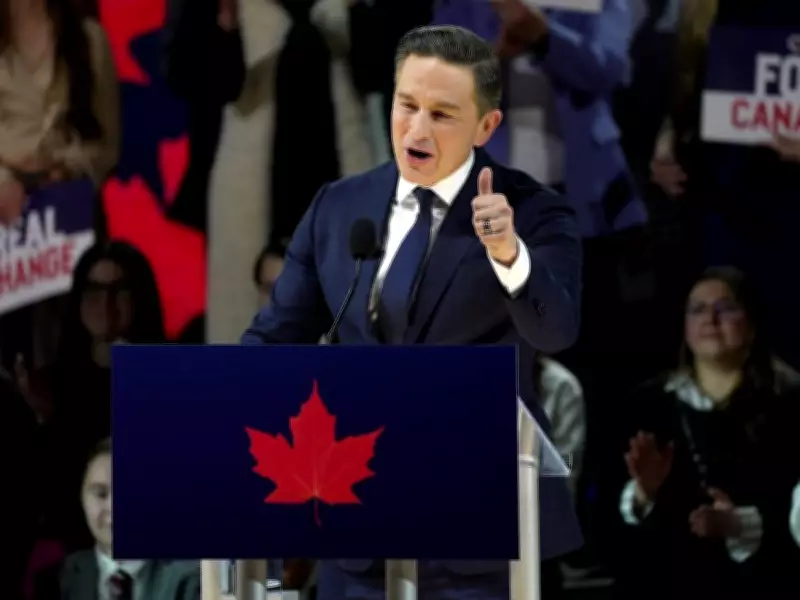
Card-carrying Conservatives demonstrated their unwavering support for Poilievre during this weekend's leadership review in Calgary. An impressive 87% of participating members voted to retain him as leader, reflecting strong internal confidence. Polls consistently show that a majority within the Conservative base remains enthusiastic about his leadership.
However, this internal approval contrasts sharply with how Poilievre is perceived by the wider Canadian electorate. Recent polling data reveals that substantial numbers of voters outside the Conservative base remain deeply unimpressed with the opposition leader.

Polling Numbers Tell a Concerning Story
A Liaison Strategies poll released this week placed Poilievre underwater in popularity across most of Canada, with Alberta being the notable exception. Meanwhile, Abacus Research found Prime Minister Mark Carney reaching his highest personal standing yet, with a net favorable rating of +23 and positive approval across every region.
If an election were held today, seat models project Carney would win approximately 50 more seats than Poilievre, potentially securing a substantial Parliamentary majority. This projection underscores the significant gap between Conservative enthusiasm and broader voter sentiment.
The Trump Factor in Canadian Politics
Political analysts point to a crucial factor influencing these dynamics: the shadow of former U.S. President Donald Trump. Canadian voters have repeatedly signaled their discomfort with politicians perceived as Trump-like, and Poilievre has struggled to distance himself from this comparison.
Warren Kinsella's analysis suggests that Carney's popularity stems partly from his role as an antidote to Trump's political style. As long as Trump remains influential in American politics, Carney may maintain his advantage as the alternative that many Canadian voters prefer.
Conservative Response and Potential Shifts
Conservative partisans might dismiss concerns about broader voter perception, arguing that they don't expect Liberal or New Democrat supporters to embrace their leader. However, political observers warn that indifference to this reality could prove reckless for the party's electoral prospects.
Poilievre has shown awareness of these challenges, recently appearing more frequently with smiles rather than anger. Yet moments still emerge where his old political persona surfaces—such as offering praise to Donald Trump for foreign policy actions or adopting a sarcastic tone that alienates potential supporters.
Looking Ahead: Two Possible Scenarios
Two developments could potentially alter the current political calculus. First, Mark Carney could become less popular over time, as often happens with politicians after multiple terms. Second, Pierre Poilievre could successfully rebrand himself to appeal to a broader segment of Canadian voters.
The Conservative Party's recent convention in Calgary demonstrated their continued commitment to Poilievre's leadership despite these challenges. Whether this represents strategic confidence or political stubbornness remains to be seen as Canada moves closer to the next federal election.
In the unpredictable world of politics, where a week can represent a lifetime of change, the Conservative Party faces a critical choice: adapt to voter concerns or maintain their current course while hoping for external factors to shift in their favor.