Poilievre's Convention Speech Marks a Pivotal Shift in Conservative Strategy
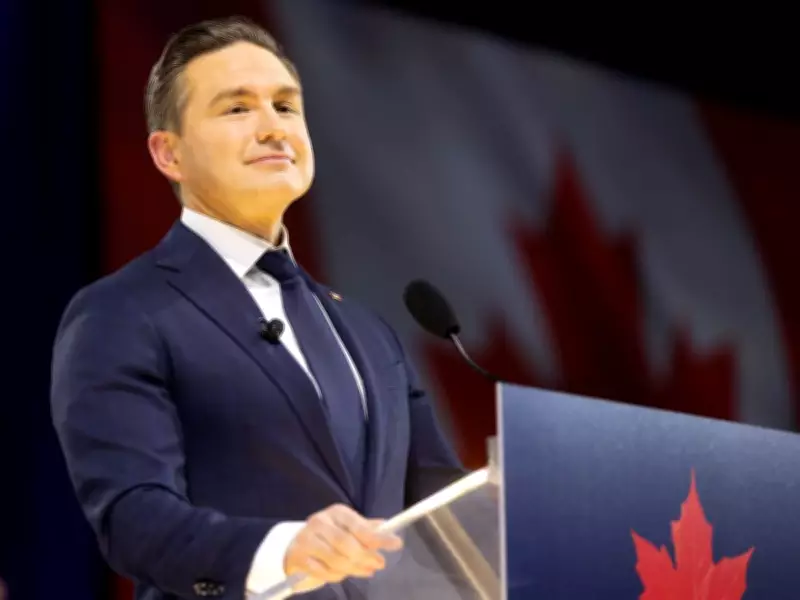
At the National Conservative Convention in Calgary on Friday, January 30, 2026, Conservative Leader Pierre Poilievre delivered a speech that spanned approximately 40 minutes. Notably absent from his address was any direct mention of Donald Trump or a clear stance on how to respond to the U.S. president's intimidation tactics. This omission sparked immediate criticism from observers who expected Poilievre to tackle what has become a defining issue in Canadian politics.
A Deliberate Silence or Strategic Calculation?
Contrary to the criticism, Poilievre's speech conveyed a subtle yet significant message. Rather than addressing Trump head-on, he signaled an intention to align closely with Prime Minister Mark Carney's approach to foreign policy. This strategic move suggests that the Conservatives have concluded that Carney is perceived by the public as best equipped to handle the Trump presidency. Their goal appears to be inoculating themselves against potential backlash, hoping that by the next election, Trump's influence will have diminished like a passing storm.
This approach reflects a classic political strategy known as triangulation, where a leader tones down their own ideas to better resonate with the national mood. Judging by the positive response to Carney's recent speech in Davos, where he promised a fundamental shift in strategic posture to counter Trump's bullying, Canadians seem to favor this measured stance.

Navigating Internal Divisions and Public Perception
Poilievre has previously struggled to articulate a coherent position on Trump, likely due to internal party dynamics. Approximately half of Conservative supporters have given Trump's performance in his first year a passing grade, creating a delicate balancing act for the leader. However, at the convention, Poilievre hinted at a shift in his strategic posture. He humorously noted that Liberals often adopt Conservative policies, then implied that his party might temporarily subcontract its foreign policy to Carney.
In his speech, Poilievre stated, Conservatives renew our good-faith offer to help the prime minister and his government get U.S. tariffs removed and open new markets abroad. We will work with the government in any way we can because Conservatives always put our country ahead of our party. This carefully crafted statement was well-received by delegates, earning Poilievre a strong endorsement and suggesting a move away from previous confrontational tactics.
Addressing Misconceptions and Looking Ahead
Despite this shift, misconceptions persist. Some critics accuse Poilievre of being pro-Trump and desiring Canada to become a 51st state, a notion that Conservative campaign manager Steve Outhouse has firmly denied. Outhouse emphasized that the next election will focus on issues impacting Canadians daily, which may include international affairs, but rejected the idea that Poilievre sides with Trump.
Poilievre's approach does not require him to echo Carney's every word, such as endorsing a strategic partnership with China. However, he can agree with broader principles, like reducing vulnerability to retaliation, as Carney highlighted in Davos. This nuanced stance allows Poilievre to address public concerns while maintaining party unity, positioning him as a more statesmanlike figure in the eyes of voters.
The convention speech marks a turning point for Poilievre, who has often faced jeers for his aggressive style. By adopting a more measured tone and aligning with Carney's foreign policy, he aims to dispel doubts and present a cohesive vision for Canada's future on the global stage.