Poilievre Champions Recall Legislation for Greater MP Accountability
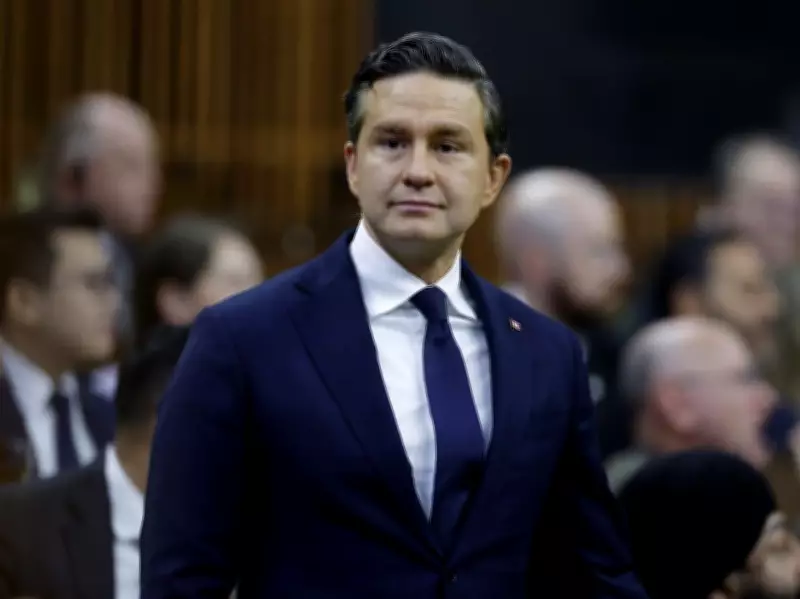
In a democracy, voters are meant to be the ultimate authority, yet when politicians deviate from their promises, constituents often lack recourse until the next election. Conservative Party of Canada leader Pierre Poilievre has reignited the debate by endorsing national recall legislation, a mechanism that would empower citizens to hold their Members of Parliament accountable between electoral cycles.
Addressing Voter Frustration with Floor Crossings
Poilievre's comments come in the wake of MP Marilyn Gladu's recent defection from the Conservatives to the Liberals, a move that has sparked significant discontent among her constituents. Such floor crossings can shift the balance of power in Parliament, leaving voters feeling disenfranchised. Poilievre emphasized this point, stating, "If you work as a barber or a mechanic or a waitress or a businessperson and you mess up at work and you don’t do what you’re saying, you get fired, but in politics, you get the rest of your term and your paycheque." This sentiment underscores the need for tools that allow voters to act when their representatives fail to uphold their mandates.
How Recall Legislation Works
Recall legislation provides a structured process for constituents to challenge their MP's performance. Under such a system, if an MP engages in misconduct or neglects voter interests, residents can initiate a petition. Upon gathering sufficient signatures, a byelection is triggered, forcing the MP to either step down or face re-election. This model has proven effective in several Canadian provinces:

- Alberta: Recall laws apply to provincial, municipal, and school board politicians. For instance, in the village of Ryley, residents successfully ousted their mayor after municipal spending nearly doubled and unauthorized expenses were incurred.
- British Columbia: Provincial recall legislation has been in place since the 1990s. Notably, MLA Paul Reitsma resigned after being caught sending fake letters to a newspaper editor, as it became evident that a recall petition would succeed.
The Deterrent Effect of Recall Mechanisms
Beyond facilitating actual recalls, this legislation serves as a powerful deterrent. Politicians are more likely to think twice before engaging in wasteful spending or unethical behavior if they know voters can hold them immediately accountable. Poilievre highlighted this aspect, noting that recall rules can discourage misconduct before it occurs, thereby fostering a culture of transparency and responsibility in governance.
Global Precedents and Poilievre's Vision
Recall legislation is not a novel concept globally. According to the 2018 Routledge Handbook to Referendums and Direct Democracy, 39 American states and 19 countries have implemented similar measures at various levels of government. Poilievre has expressed support for adapting these models to the Canadian context, aiming to strike a balance between enhanced accountability and preventing political chaos. He argues that such reforms are essential to restoring voter control over politicians, especially in Ottawa where accountability gaps persist.
As debates over political integrity continue, Poilievre's advocacy for recall legislation underscores a broader push for democratic renewal. By giving voters the tools to fire underperforming MPs, this proposal seeks to reinforce the principle that in a true democracy, the people are indeed the boss.