Conservative Leader's Convention Success Overshadowed by Trump Silence
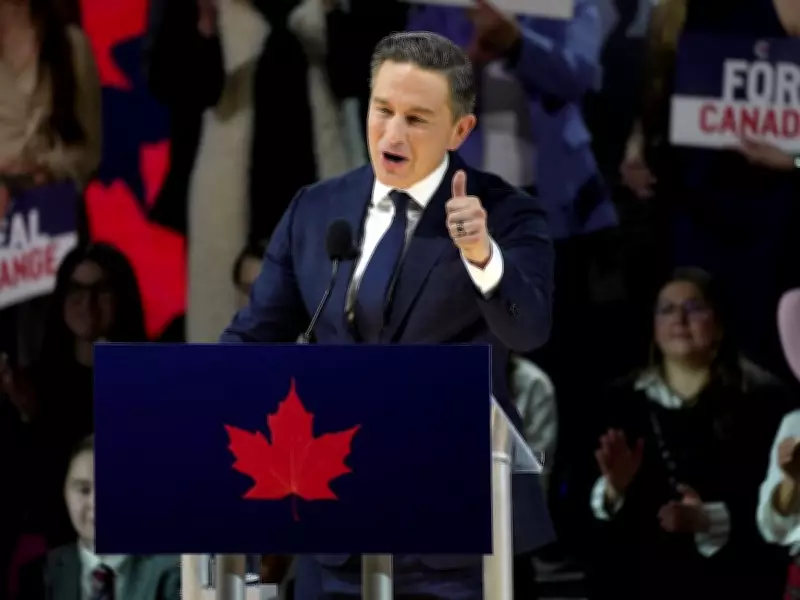
Conservative Party leader Pierre Poilievre achieved significant success at the recent CPC convention in Calgary, securing an impressive 87.4 percent approval rating that exceeded most political predictions. During his address, Poilievre revealed a more personal dimension by discussing his autistic daughter and the family sacrifices necessitated by political life. He also made substantial commitments to empower the party's grassroots members with greater control over nominations, addressing a longstanding concern that has persisted since the previous federal election.
The Notable Omission: No Mention of U.S. Leadership
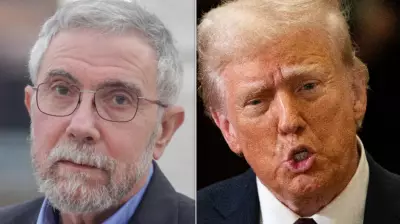
Despite these accomplishments, Poilievre's speech contained a conspicuous omission that political analysts are now highlighting as potentially problematic. The Conservative leader failed to articulate any clear position regarding how he would manage relations with U.S. President Donald Trump, who has returned to the White House for a second term. Instead of addressing the American president directly, Poilievre made only vague references to "unfair and unresolved U.S. tariffs and diplomatic distractions and disruptions from down south," pledging to combat American tariffs and pursue tariff-free agreements.
This strategic avoidance represents a significant political miscalculation according to observers, as recent polling data reveals Trump has become a preeminent concern for Canadian voters. An Abacus Data survey indicates that while cost of living and economic issues remain Canadians' primary worries, "Donald Trump and his administration" now ranks ahead of critical domestic matters including housing affordability, immigration policies, and job security concerns.

Navigating the Political Divide Within Conservative Ranks
The challenge for Poilievre is particularly complex due to divided opinions within his own political base. According to Angus Reid Institute research, approximately 33 percent of Conservative voters assign Trump an "A" or "B" grade for his performance during the initial year of his second presidential term, with an additional 15 percent giving him a "C" rating. This contrasts sharply with supporters of other parties, where zero Liberal or NDP voters rate Trump above "C" and over 90 percent assign him a failing grade.
Former Poilievre advisor Jenni Byrne has suggested one potential approach: directly linking Canadians' affordability concerns to Trump's trade policies. However, this strategy faces limitations since Canada's declining standard of living predates Trump's current administration, stemming from broader structural issues including excessive regulatory burdens, insufficient worker productivity investments, and immigration-driven demand pressures on housing and consumer goods.
Potential Frameworks for Addressing the Trump Challenge
Political analysts suggest several avenues Poilievre could explore to address this electoral vulnerability:
- Emphasizing fundamental principles: Poilievre could focus on conservative values like rule of law and freedom of speech, principles that some argue Trump has undermined through controversial immigration enforcement actions and protest responses.
- Highlighting international alliances: The Conservative leader could articulate Canada's commitment to defending territorial integrity alongside allies, particularly in Arctic regions where sovereignty concerns intersect with American interests.
- Referencing military cooperation: Poilievre might emphasize Canada's historical military partnerships, as he briefly did on social media following Trump's controversial comments about NATO troops in Afghanistan, though notably omitted from his convention speech.
The political calculus appears delicate: while nearly half of Conservative supporters view Trump favorably, the broader Canadian electorate expresses significant concern about the American president's policies and their potential impact on Canada. As the next federal election approaches, Poilievre's ability to navigate this complex diplomatic and political landscape may prove decisive in determining whether his convention success translates into broader electoral victory.