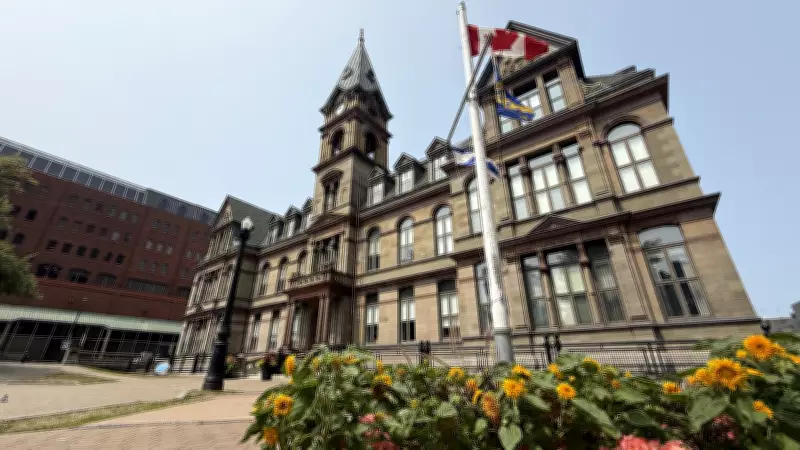
Municipalities in Nova Scotia are calling for new ways to raise revenue beyond the traditional property tax system. Local leaders argue that relying solely on property taxes is unsustainable and inequitable, especially as costs rise and populations shift.
Exploring New Revenue Streams
At a recent conference, municipal officials discussed potential alternatives such as local sales taxes, tourism levies, and user fees for services. Some have proposed a share of provincial income tax or a municipal surtax on new developments. The goal is to create a more diversified and stable funding base.
Challenges and Opportunities
Implementing new taxes requires provincial approval, which has historically been difficult to obtain. However, municipalities emphasize that without change, they may struggle to fund essential services like infrastructure, public transit, and housing. The Union of Nova Scotia Municipalities is leading the push for legislative reform.

Mayor of Halifax, Mike Savage, noted that property taxes are regressive and do not capture revenue from non-residential sources like tourism or commuting workers. He called for a broader conversation about fiscal fairness.
Opponents worry that new taxes could burden residents and businesses. But proponents argue that alternatives can be designed to be progressive and targeted. The debate continues as municipalities prepare for upcoming budget cycles.