Federal Government Stands Firm on Firearms Buyback Budget
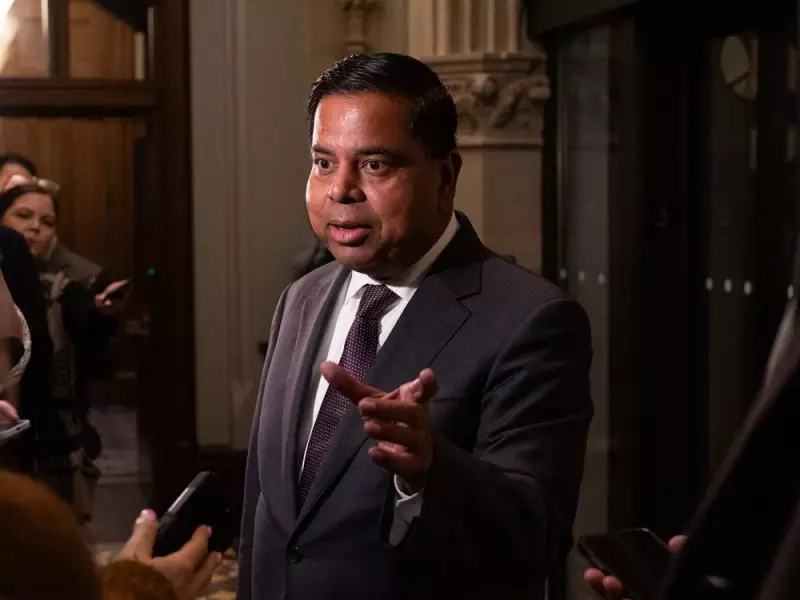
In a definitive statement from Ottawa, Public Safety Minister Gary Anandasangaree has confirmed that the Liberal government will not increase the $250 million budget allocated for compensating firearms owners participating in the national buyback program. The minister emphasized that this financial framework represents a firm constraint under which the government must operate, with funds consolidated from previous budgetary allocations.
Budget Constraints and Program Parameters
Anandasangaree addressed journalists on Parliament Hill, making clear that the compensation budget remains unchanged despite ongoing discussions about potential costs. The program targets owners of approximately 2,500 makes and models of firearms banned since 2020, with federal officials anticipating the collection of around 136,000 weapons. Firearms owners must surrender their prohibited weapons by the end of October, when the current amnesty period expires, either through local police or deactivation processes.
The minister acknowledged concerns raised by firearms groups and opposition parties about whether compensation levels would prove adequate. "I know some people are saying, especially those who oppose this program, that there's not enough money. Well, you can't have it both ways," Anandasangaree stated, suggesting that early participation could help mitigate such concerns.

Program Implementation and Early Response
According to recent data from the public safety department, declarations for slightly more than 22,000 firearms have been received since the registration window opened just one week earlier. This initial response suggests what Anandasangaree described as "a really good start" to the program's implementation timeline.
Firearms owners seeking compensation have until the end of March to submit their declarations. Following this deadline, collection efforts will proceed through agreements established with local police services in several regions, including Winnipeg, Cape Breton, Nova Scotia, and Halifax. The Quebec government has pledged its support, with the Sûreté du Québec provincial police force confirmed to assist in coordination efforts.
Historical Context and Financial Projections
The Parliamentary Budget Officer issued a warning in 2021 that program costs could potentially escalate to as much as $750 million, depending on participation rates and compensation structures, not including administrative expenses. This projection significantly exceeds the current $250 million allocation, highlighting the budgetary tension surrounding the initiative.
Public safety officials have indicated plans to deploy mobile collection units to ensure coverage in areas where local police participation cannot be guaranteed. This logistical approach aims to facilitate broader access to the program across diverse geographic regions.
As the debate continues between government officials, firearms owners, and opposition critics, the financial parameters of this significant public safety initiative appear firmly established, with the minister's statements suggesting little flexibility in budgetary considerations moving forward.