Nepal's Rapper-Turned-Mayor Balendra Shah Poised to Become Prime Minister
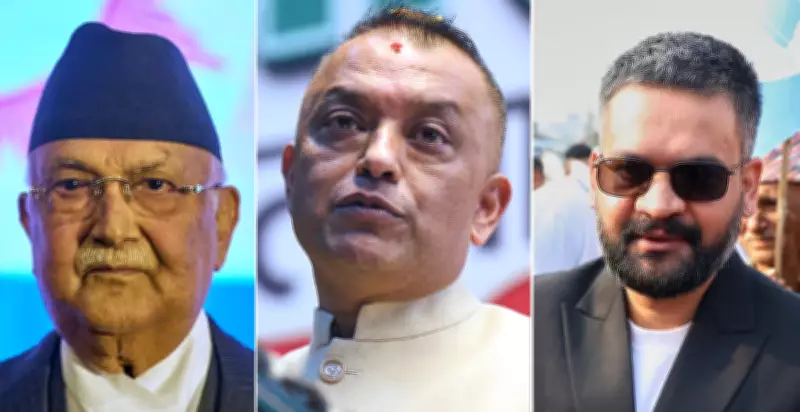
In a remarkable political development, Balendra Shah, the former mayor of Kathmandu and a well-known rapper, is on the verge of becoming Nepal's next prime minister. This potential appointment signals a dramatic shift in the country's political landscape, as Shah represents the rising influence of younger, non-traditional leaders in Nepalese governance.
A Unique Political Journey
Balendra Shah, a member of the Rastriya Swatantra Party, first gained national attention through his successful music career before transitioning into politics. His election as mayor of Kathmandu demonstrated his ability to connect with urban voters, particularly the youth, who have been increasingly disillusioned with established political parties. Shah's background as a rapper has provided him with a distinct platform to address social issues and mobilize support beyond conventional political circles.
The move towards his premiership comes amid ongoing political negotiations in Nepal, where coalition-building is crucial for forming a stable government. Shah's party has been actively engaging with other political groups to secure the necessary parliamentary support. This development reflects a broader trend in South Asian politics, where figures from outside traditional political families are gaining prominence through grassroots movements and digital outreach.

Political Context and Implications
Nepal's political scene has been characterized by frequent changes in leadership and coalition governments since the adoption of its federal democratic republic system. The potential premiership of Balendra Shah could introduce new approaches to governance, focusing on issues such as urban development, youth employment, and anti-corruption measures. His rise challenges the dominance of long-standing parties like the Communist Party of Nepal (Unified Marxist–Leninist) and the Nepali Congress, which have historically controlled the premiership.
Analysts suggest that Shah's leadership might prioritize technological innovation and cultural initiatives, leveraging his background in the arts. However, he will face significant challenges, including managing coalition dynamics, addressing economic disparities, and navigating Nepal's complex foreign relations, particularly with neighboring India and China. The international community is closely watching this transition, as it could influence regional stability and development partnerships.
Broader Significance
This political shift underscores the evolving nature of democracy in Nepal, where voters are increasingly seeking alternatives to conventional political elites. Shah's potential ascent to prime minister highlights the power of celebrity and social media in modern politics, a phenomenon observed globally. It also raises questions about the future direction of Nepalese policy, especially in areas like education, healthcare, and infrastructure, where Shah has previously advocated for reform during his tenure as mayor.
As Nepal awaits formal confirmation, the prospect of a rapper-turned-mayor becoming prime minister symbolizes a new chapter in the nation's history, one that blends cultural influence with political authority. This development is poised to inspire similar movements in other democracies, where non-traditional candidates are challenging established norms and reshaping governance structures.