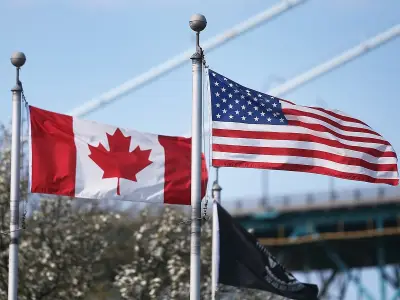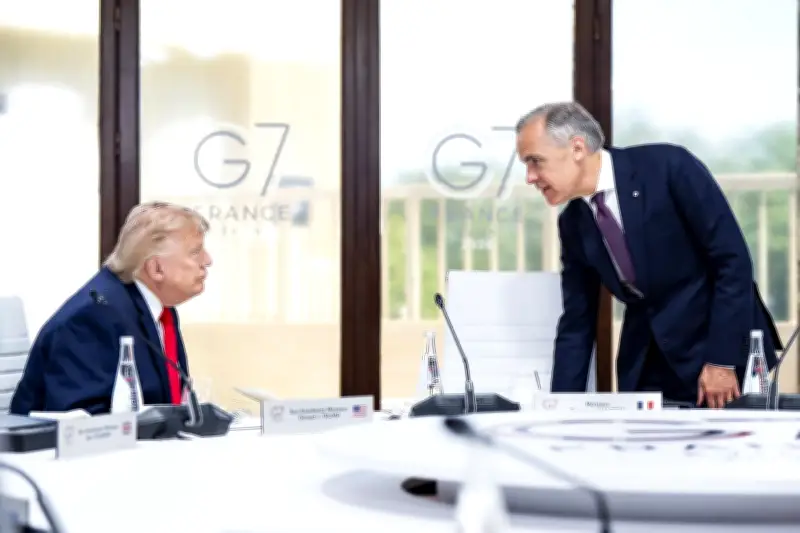
NATO leaders gathered in Turkey on July 6, 2026, for the annual summit, with both Canadian Prime Minister Mark Carney and U.S. President Donald Trump in attendance. The meeting comes amid heightened tensions within the alliance over defense spending, security commitments, and geopolitical challenges.
Key Attendees and Agenda
Prime Minister Carney and President Trump are among the 32 heads of state and government participating in the summit, hosted in Antalya, Turkey. The agenda includes discussions on NATO's strategic concept, collective defense, and responses to emerging threats such as cyberattacks and hybrid warfare. A central theme is the burden-sharing of defense expenditures, with NATO Secretary General Jens Stoltenberg urging member states to meet the 2% GDP spending target.
According to a NATO official, the alliance is also set to address the ongoing conflict in Ukraine, with new pledges of military aid and support for Kyiv's eventual membership. The summit follows a series of high-level meetings aimed at reinforcing deterrence along NATO's eastern flank.

Carney's Stance on Defense and Diplomacy
Prime Minister Carney is expected to announce Canada's new submarine fleet during the summit, a move that underscores Canada's commitment to NATO's naval capabilities. The $3.6 billion fleet renewal includes the first new military tanker, which recently took flight in a milestone for the program. Carney's announcement aligns with Canada's pledge to increase defense spending, though critics note the country still falls short of the 2% target.
Meanwhile, Environment Minister Steven Guilbeault expressed disagreement with Carney over a pipeline project, stating he 'respectfully disagrees' with the prime minister's position. Guilbeault's comments highlight internal divisions within the Canadian government on energy and environmental policy.
Ottawa has not confirmed whether Carney will raise human rights concerns with Saudi Crown Prince Mohammed bin Salman during bilateral talks on the summit's sidelines. Human rights organizations have urged Canada to press the crown prince on the murder of journalist Jamal Khashoggi and the Saudi-led intervention in Yemen.
Trump's Role and Alliance Dynamics
President Trump's attendance at the summit is closely watched, given his previous criticisms of NATO allies for not spending enough on defense. In a recent statement, Trump reiterated his demand that member states meet their financial obligations, warning that the U.S. may reconsider its commitments otherwise. However, NATO officials express cautious optimism that the summit will produce a unified front.
The phrase 'cost of drama is too high' was echoed by several diplomats, reflecting concerns over internal discord weakening the alliance. A senior European diplomat noted, 'We cannot afford to be divided when facing threats from Russia, terrorism, and instability in the Middle East.'
Security and Demonstrations
Turkish authorities have implemented extensive security measures in Antalya, with thousands of police and military personnel deployed. Protests are expected, particularly regarding Turkey's human rights record and its military operations in Syria. The summit venue is under tight lockdown, with road closures and checkpoints across the city.
Outlook and Implications
The NATO summit in Turkey is poised to reaffirm the alliance's core principles while addressing pressing challenges. The outcomes will shape transatlantic security for the coming year, with implications for defense budgets, military deployments, and diplomatic relations. As one analyst put it, 'This summit is a test of NATO's unity and adaptability in a rapidly changing world.'