Senator Mullin's DHS Confirmation Hearing Sparks Alarm Among Civil Rights Experts
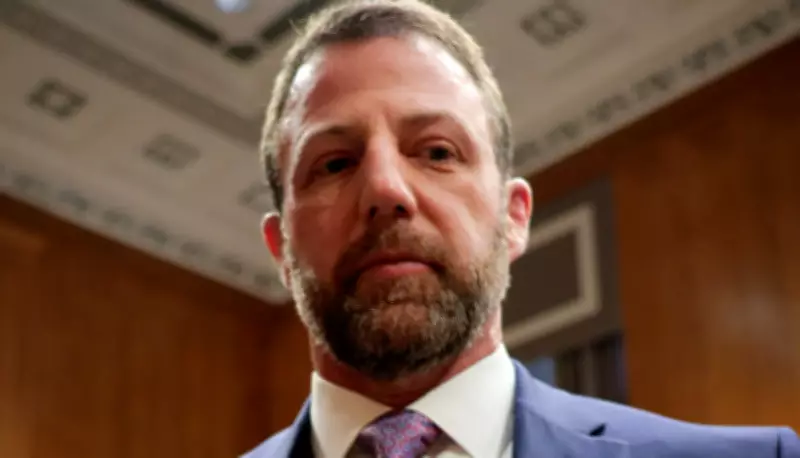
During a Senate confirmation hearing on Wednesday, Senator Markwayne Mullin, President Donald Trump's nominee to lead the Department of Homeland Security, faced intense scrutiny over previous statements he made regarding Renee Good and Alex Pretti, two Minneapolis residents fatally shot by federal immigration agents in January. His responses have raised significant concerns among experts in American studies and civil rights, who warn of troubling implications for law enforcement accountability.
Refusal to Retract Statements and Apologize
When pressed by Senator Gary Peters, a Democrat from Michigan, about calling Alex Pretti a "deranged individual that came in to cause max damage," Mullin conceded that he "shouldn't have said that" and acknowledged a mistake in responding hastily without all the facts. However, he declined to offer an apology to Pretti's family, citing an ongoing investigation.
Regarding Renee Good, a 37-year-old mother, Mullin refused to retract his past remarks entirely. Senator Richard Blumenthal, a Democrat from Connecticut, questioned whether Mullin regretted stating that the shooting was "absolutely" justified days after Good's death. In response, Mullin reiterated talking points similar to those he has used previously, arguing that an officer had to make a split-second decision when a car was running toward him and struck him, turning it into a lethal weapon.

Blumenthal pressed further, asking if Mullin did not regret that statement. Mullin responded by emphasizing that an investigation was ongoing, though Blumenthal countered that there was no investigation and questioned why one shouldn't be initiated. Mullin stated his understanding that the FBI is currently "looking into" Good's case, despite Deputy Attorney General Todd Blanche's January statement that there was "currently no basis for a criminal civil rights investigation."
Disputed Descriptions and Expert Concerns
The descriptions of events provided by Mullin, former Homeland Security Secretary Kristi Noem, and President Trump have been disputed by video footage of the incident. Noem had publicly ridiculed Good and Pretti, calling Good's actions an "act of domestic terrorism," and Mullin defended these statements. Trump fired Noem shortly after and selected Mullin as her replacement.
Civil rights attorney Alexa Van Brunt, a clinical professor of law and director of the MacArthur Justice Center Clinic at Northwestern Pritzker School of Law, expressed concern over Mullin's refusal to retract his statements. She noted that Mullin, like others in the Trump administration, made claims that did not align with evidence and showed no intention of engaging in an objective investigation. Van Brunt highlighted that Mullin's repetition of factually incorrect talking points undermines optimism for a fair inquiry into the shooting.
Kari J. Winter, a professor of American studies at the University at Buffalo, emphasized that genuine law enforcement leaders are judicious and impartial, qualities she believes Mullin lacks. She described him as impulsive, fanatically partisan, and resistant to evidence, pointing out that he immediately declared Good and Pretti deserving of death without investigation. Winter also questioned Mullin's troubled relationship with the truth, noting his history of misogyny, homophobia, and transphobia, as well as his support for policies like banning abortion under all circumstances and opposing the Violence Against Women Act.
Implications for DHS Leadership
Experts warn that Mullin's leadership of DHS would likely continue problematic patterns. Van Brunt stated that advocates for immigrant rights and against excessive force are seeking a leader who prioritizes de-escalation and respect for human dignity, but Mullin has shown no desire to engage in such conversations. She added that his responses during the hearing were "incredibly worrisome" and suggested his beliefs on ICE officer tactics align closely with Noem's.

Winter criticized Mullin for backing away from his statement about Pretti while maintaining his verdict on Good, highlighting potential biases. She also pointed to anger issues noted by Senator Rand Paul during the hearing, warning that violations of professional ethics can pave the way for authoritarianism. Winter stressed that the first rule of law enforcement is to build trust and legitimacy within the community, something she believes ICE shattered under Noem and Mullin is unlikely to rebuild.
In his testimony, Mullin suggested that under his leadership, ICE agents would violate constitutional rights less often than under Noem. However, Winter countered that this overlooks the fundamental role of the federal government in upholding rights, not trampling them. As the confirmation process continues, these concerns underscore the high stakes for civil rights and law enforcement accountability in America.