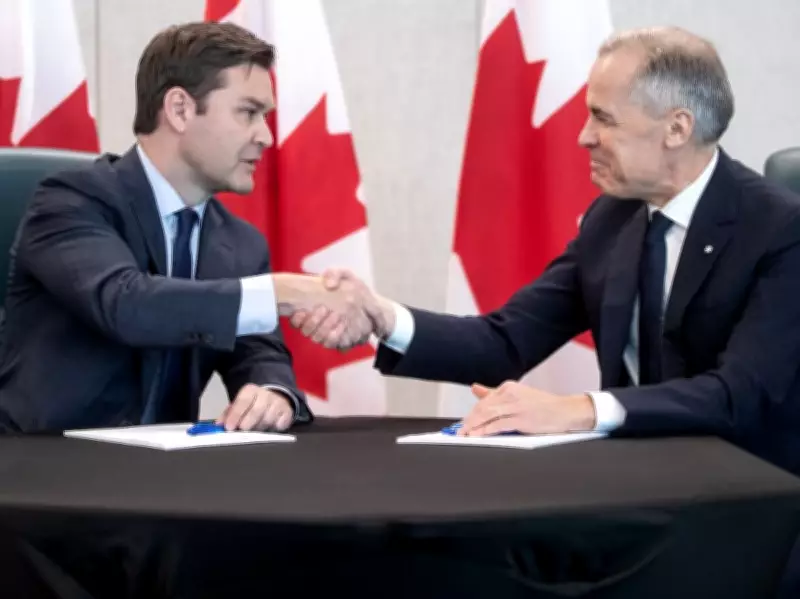
Conservative MP Jeneroux Crosses Floor to Liberals, Secures Advisory Position
In a significant political development, Conservative Member of Parliament Matt Jeneroux has officially defected to the Liberal party, marking the third such departure from Pierre Poilievre's Conservative caucus since the April federal election. The move has sparked intense debate about political loyalty and the motivations behind such cross-floor actions.
A Pattern of Defections Emerges
Jeneroux's decision follows similar moves by fellow Conservative MPs Michael Ma and Chris d'Entremont, creating a pattern that has political analysts questioning the stability of the Conservative opposition. Many political observers now speculate that the Liberal government under Prime Minister Mark Carney may be positioning itself to achieve majority status through strategic by-elections and potential additional defections.
The timing of Jeneroux's move has raised particular eyebrows, given that he had previously announced in November his intention to resign in the spring to focus on family matters. As columnist Brian Lilley noted, "it seems Jeneroux has spent enough time with his family" before making this significant political shift.

Compensation and Controversy
What makes Jeneroux's defection particularly noteworthy is the reported compensation he received for his party switch. Prime Minister Carney has appointed Jeneroux as a "special advisor on economic and security partnerships", suggesting that negotiations likely occurred behind the scenes before his public announcement.
This arrangement has prompted questions about whether Jeneroux traded his loyalty to the Conservative party and his constituents for a prestigious advisory position with potential touring benefits. The situation has led many to wonder what would motivate MPs elected under a Conservative banner to abandon their stated values and join Liberal progressives.
The Loyalty Debate Intensifies
The defections have reignited discussions about political loyalty in Canadian democracy. Constituents who voted for Conservative candidates based on party values and principles now face representatives who have fundamentally changed their political allegiance.
As one commentator noted, "If that happened in my electoral district, I would be angry, frustrated and feel betrayed." The relationship between MPs and their constituents is built on trust and shared values, making such defections particularly problematic for democratic representation.
Historical Precedents and Current Implications
While floor-crossing is not unprecedented in Canadian politics—with notable examples including Belinda Stronach and Joe Comuzzi—the current wave of defections comes at a critical political juncture. Some have called for any MP considering defection to resign and seek re-election under their new party banner, following the example set by Sheila Copps in 1996 when she resigned over GST policy differences and successfully contested a by-election.
The fundamental question remains: What expectations should Canadian citizens have of their elected representatives? Joining a political party entails commitment to its values, principles, and members. While complete agreement on every issue isn't necessary, the question of how to handle disagreements—whether to resign, defect, or work for change from within—remains central to political integrity.
Candidates and MPs bear greater responsibility for loyalty than ordinary party members, as they are elected based on the values of their party and their personal appeal to constituents. When voters demonstrate loyalty by electing representatives, they reasonably expect that loyalty to be reciprocated through consistent representation of shared values and principles.